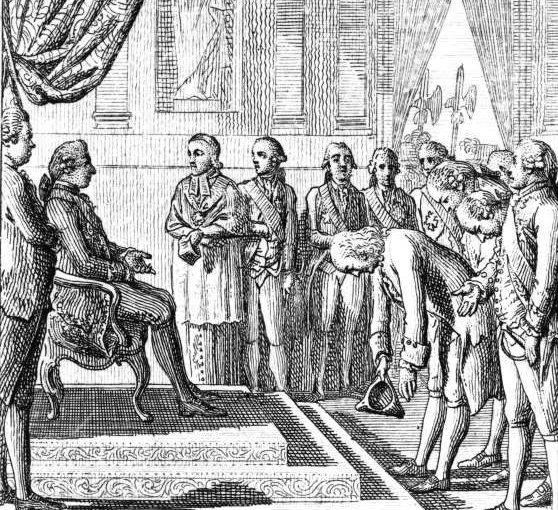
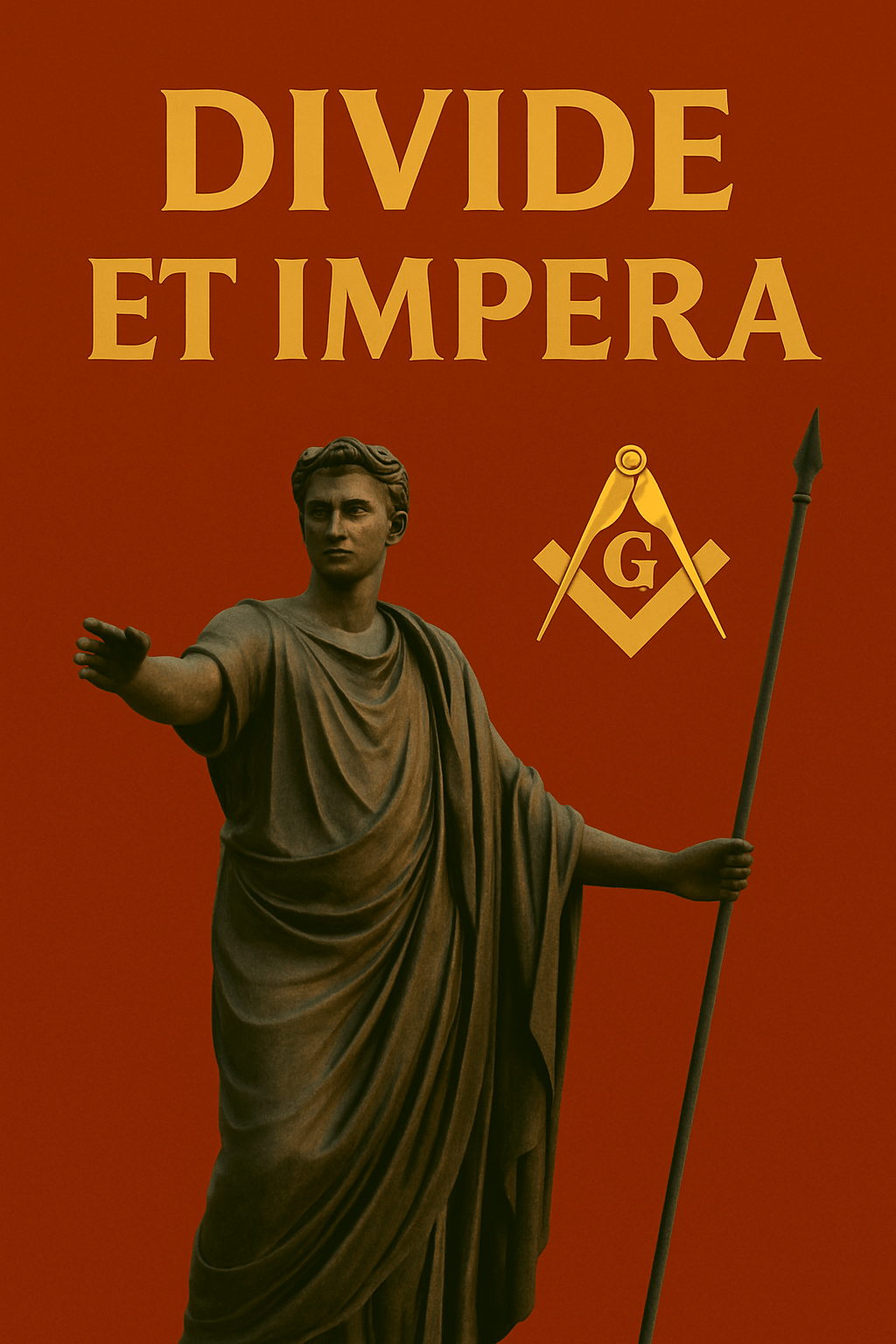
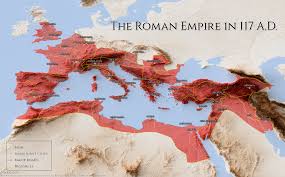
The ancient Roman maxim Divide et Impera—“Divide and Rule”—remains one of the most enduring and astute strategies for power ever devised. Used by Rome to maintain control over its vast and diverse territories, it relied on keeping subject populations internally fractured so they could not unite against the Empire. The brilliance of this method lies in its simplicity: people divided are people distracted, manageable, and ultimately more easily subjugated. Though centuries have passed, the spirit of Divide et Impera is alive and well in politics and in communities once assumed to be insulated from such manipulation.
The Rebranding of Control
In ancient times, Roman povincial governors masterfully played local leaders, religious groups, and neighboring communities against one another. They awarded privileges unevenly, cultivated rivalries, and discouraged cohesion. This ensured that no unified resistance could ever rise. Today, we see similar tactics, cloaked in the language of inclusion, diversity, and pluralism.
We see governments and institutions in our time, frequently exploiting ideological, racial, and religious differences. The result is : fragmentation. Meanwhile, the ruling elite acts with greater impunity, shielded as it is by the smoke of division.
Amid the chaos of distraction, emergency laws pass with minimal scrutiny, freedoms are slowly but surely eroded without recourse, wealth consolidates in the hands of the few, and large-scale surveillance is introduced without prior general discussion and public approval.
The Fracturing of the Fraternal Ideal
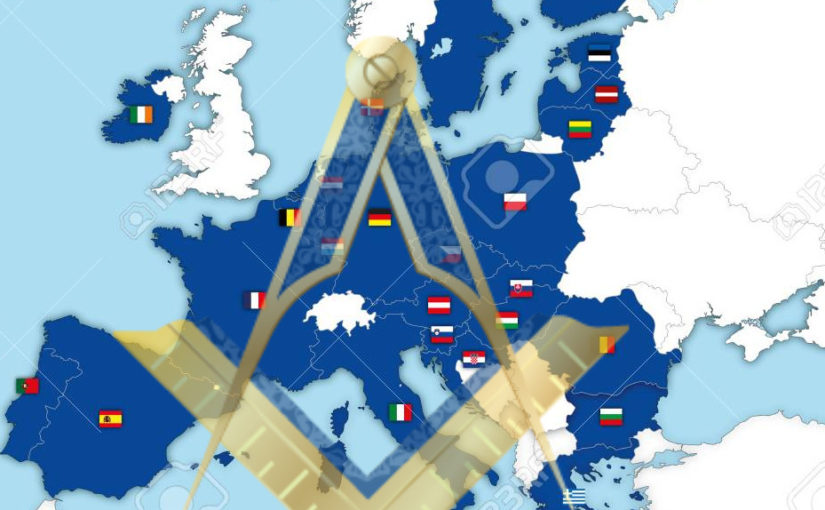
Alarmingly, even an institution like Freemasonry that was built on unity are not immune to such machiavellian policy. Once a refuge from the turbulent divisions of the outside world, it now increasingly mirrors those same divisions within the walls of its temples as the…
Continue reading THE FRACTURED LODGE