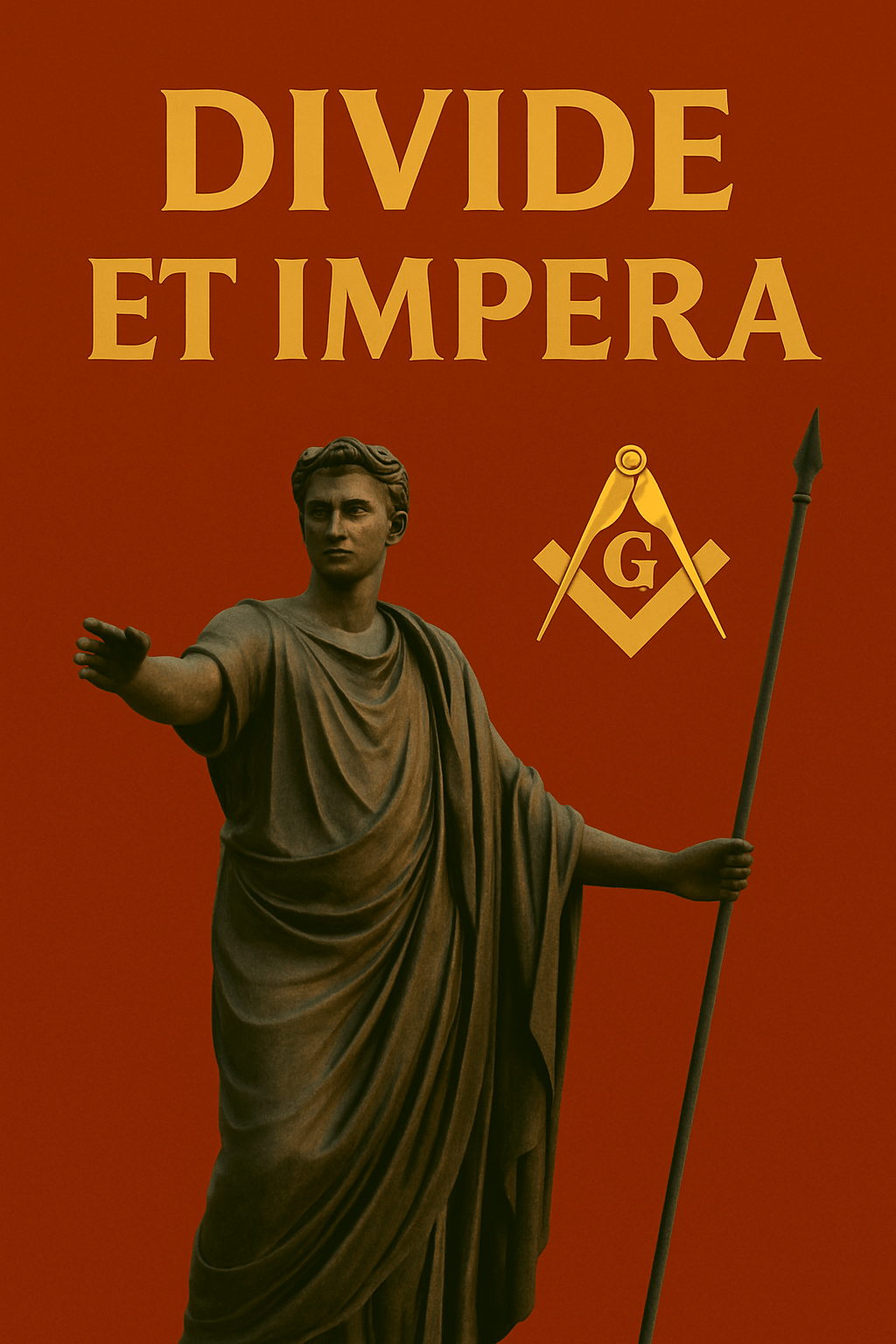
THE FRACTURED LODGE

The ancient Roman maxim Divide et Impera—“Divide and Rule”—remains one of the most enduring and astute strategies for power ever devised. Used by Rome to maintain control over its vast and diverse territories, it relied on keeping subject populations internally fractured so they could not unite against the Empire. The brilliance of this method lies in its simplicity: people divided are people distracted, manageable, and ultimately more easily subjugated. Though centuries have passed, the spirit of Divide et Impera is alive and well in politics and in communities once assumed to be insulated from such manipulation.

The Rebranding of Control

In ancient times, Roman povincial governors masterfully played local leaders, religious groups, and neighboring communities against one another. They awarded privileges unevenly, cultivated rivalries, and discouraged cohesion. This ensured that no unified resistance could ever rise. Today, we see similar tactics, cloaked in the language of inclusion, diversity, and pluralism.
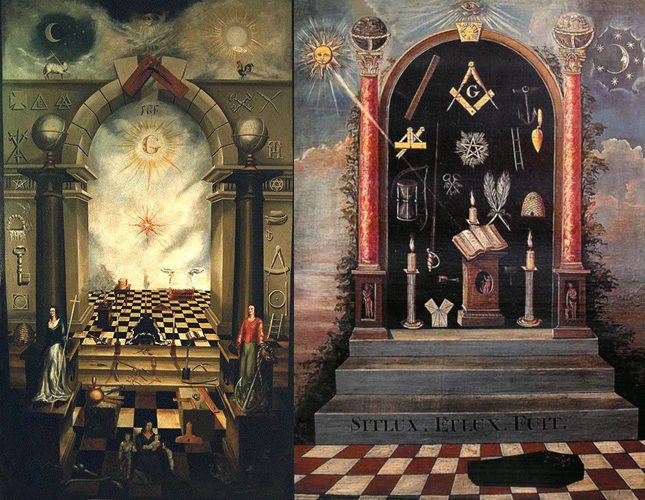
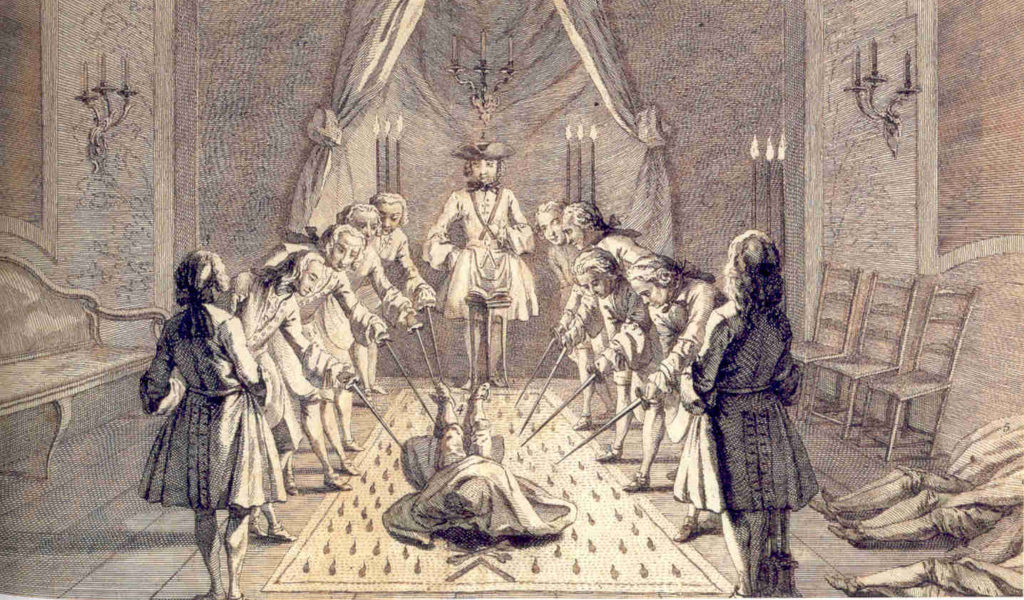
Fractured Lodge

We see governments and institutions in our time, frequently exploiting ideological, racial, and religious differences. The result is : fragmentation. Meanwhile, the ruling elite acts with greater impunity, shielded as it is by the smoke of division.

Amid the chaos of distraction, emergency laws pass with minimal scrutiny, freedoms are slowly but surely eroded without recourse, wealth consolidates in the hands of the few, and large-scale surveillance is introduced without prior general discussion and public approval.

The Fracturing of the Fraternal Ideal

Alarmingly, even an institution like Freemasonry that was built on unity are not immune to such machiavellian policy. Once a refuge from the turbulent divisions of the outside world, it now increasingly mirrors those same divisions within the walls of its temples as the…

Continue reading THE FRACTURED LODGE
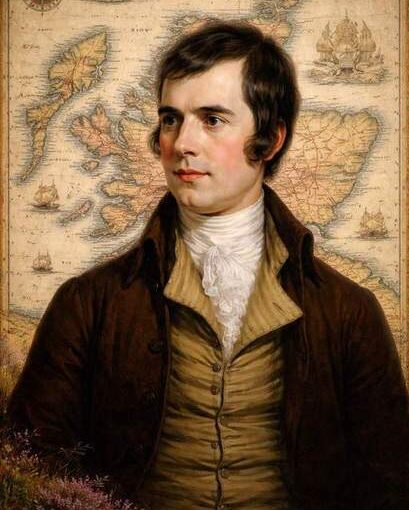
Robert Burns – A Poet and a Freemason

All men possess some measure of intrinsic worth, but genius , like int he case of Robert Burns, is a rare and singular gift bestowed upon humanity. The word genius denotes originality, deriving from the Latin gignere, meaning “to be born,” and, earlier still, from the Greek gennaō, “to generate” or “to produce.”

A man may be an able soldier or a skilled politician, yet only a man of genius becomes an inventor, a poet, or an original thinker. Whenever we encounter individuals of exceptional intellect, shaping their own destinies and rising above their contemporaries, we recognise the presence of such minds. They have appeared in every age and among all races of humankind. They belong to no single class or creed and are often deeply religious in their own distinctive way.

Robert Burns, Scotland’s greatest son, was indeed such a man. He taught the world through his poems the difference between religion and faith.

"The rank is but the guinea's stamp

The man's the gowd for all that."

THE MAN HE WAS

Possibly no poet ever lived who possessed that original style and uniqueness of composition as Robert Burns. He was the poet of the rights of the common people. His qualities were fire, tenderness, humour, simplicity and all so nicely and rarely blended together.

He touched with delicate and joyful hands the deep and noble feelings of old Scotland and the life, the faith, the genious and hope of his native land.

This is why we love Robert Burns, for it was he who taught us the brotherhood of man, that which lives in his songs and always will live while human nature is the same. He saw the nature with the eyes of a child, saw beauty in the fold of hills, in the trees, in the flowing waters and the sound of the wind filled him with a sad joy.

Such was Robert Burns, a man full of passion and pity.

If he could have its way with us, every injustice, every cruelty, every despotism would fall and every man would have a more fulfilled life and superior soul.

“Then let us pray, that come what may 

As come it will, for all that

That man to man, the world over 

Shall brothers be, for all that”

HIS LIFE

Continue reading Robert Burns – A Poet and a Freemason

BROTHERS IN SERVICE

The Solicitor, a Forensic Scientist, and the Shadow of the Ardlamont Murder

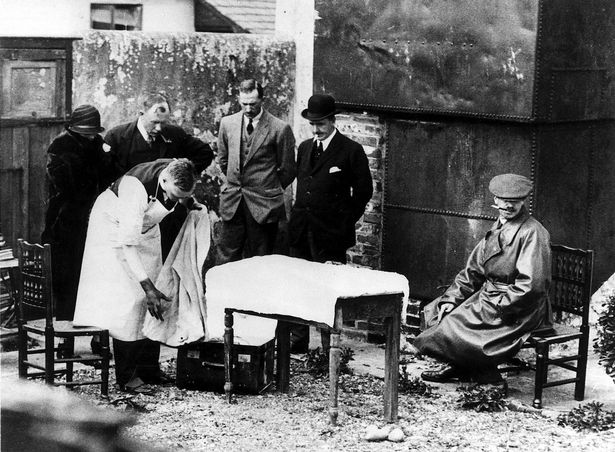
In Scottish law, the unique Murder Not Proven verdict exists alongside Guilty and Not Guilty. Dating back to the 18th century, it allows jurors to express that, though they suspect wrongdoing, the evidence falls short of removing reasonable doubts. Jack House, author of the book Murder Not Proven—later adapted for television by the BBC—argued that Victorian trials were not only shaped by evidence, but by respectability. In his view, social standing often protected the accused. The more respectable the defendant was or even looked, the greater the chance of escaping justice. A telling example of this was the 1893 trial known as the Ardlamont Case (12/12/1893 – 22/12/1893), in which Arthur Toovey, a solicitor and Middlesex Freemason, was called to testify.

The Ardlamont Case: Murder or Misadventure?

The trial commenced on 12th December 1893 at the Edinburgh High Court. It centred on the suspicious death of Cecil Hambrough, the simple-minded son of an English aristocrat family weighed down by financial difficulties, who died during a shooting trip at the Ardlamont estate in Argyllshire, Scotland. Hambrough, in his early twenties, was accompanied by his tutor, the 33 years old Alfred John Monson, and a man introduced as Edward Scott who was later unmasked as a career criminal.

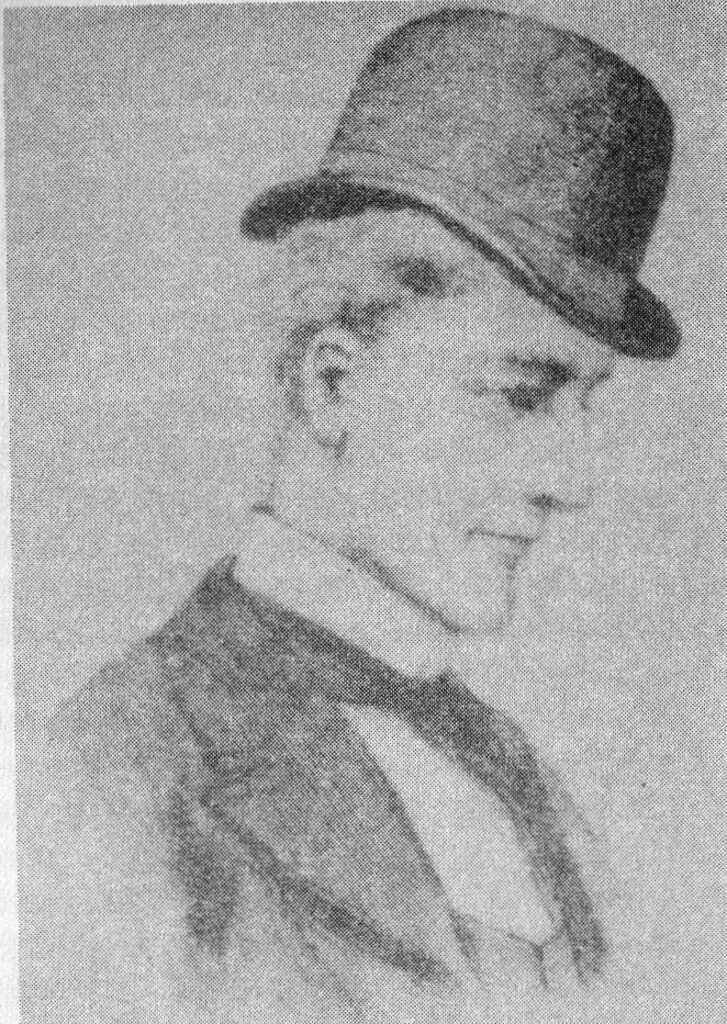
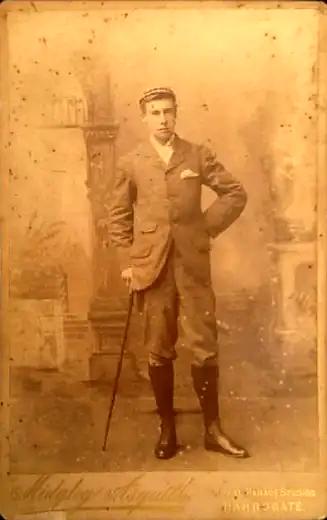
Alfred John Monson (left) – Photo from  Murder Not Proven by Jack House and Cecil Hambrough (right) – Photo courtesy of the Worcester College

Just two days before he left for Ardlamont, Monson had secured a £20,000 life insurance policy on Hambrough’s life—naming himself the sole beneficiary and funding the initial premium by drawing on other fully assigned policies. It was a sophisticated confidence trick.

On August 10th, Hambrough was found shot in the back of the head while out game shooting with Monson and Scott—just a day after the duo’s attempt to drown him in the estate’s lake had miserably failed.

Monson claimed the rifle the young man was carrying had discharged accidentally as he was attempting to climb a fence. But suspicion mounted rapidly when Monson’s dubious past, and his questionable financial deals came to light.

The case presented a classic situation: a motive, no eyewitnesses, circumstantial evidence, but no incontrovertible proof. Ultimately, Monson was acquitted—with the jury returning a verdict of Not Proven.

The Testimony of Brother Arthur Toovey

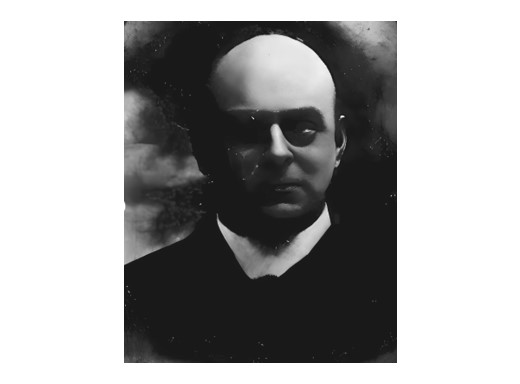
Among those called to give evidence at the trial  was Arthur Toovey (11 December 1852 – 6 April 1915), a well-regarded solicitor based at 18 Orchard Street, Marylebone, London. In 1890, he had taken up residence at Mount Cottage, Pinner, shortly after the Metropolitan Railway had been extended from Baker Street—just a stone’s throw from Marylebone—making commuting from places on the outskirt of London, both practical and convenient.

Arthur Toovey - Murder not Proven

Photo of A. Toovey from the Uxbridge & W. Drayton Gazette of Friday, 16 April 1915

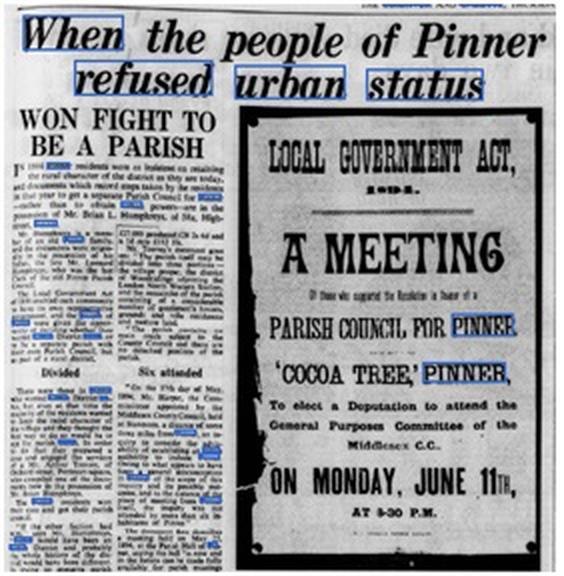
In Pinner, Toovey quickly emerged as a force for change and in 1894, he led a successful campaign to preserve its rural status, fending off a proposal to place Pinner under urban powers. As a mark of merit, the following year he was elected Councillor and Vice-Chairman of the newly independent Parish.

Toovey - Murder not Proven

Harrow Observer – Thursday, 24 January 1963

Continue reading BROTHERS IN SERVICE

TETRAKTYS’ WEBSITE IS BACK ‘LIVE’

After a period of silence, I am pleased to announce that Tetraktys is returning with new contents, under my temporary management. All previously published papers have been retained. I do not believe in censorship, debate is healthy  and must always be  present in a modern and free society.

Soon I will be posting a number of my papers which explore the historical past, curiosities, and connection to Freemasonry of the area I live in.  

Outside contributions will of course always be welcome.

L. Monno (editor)

The influence of inns and innkeepers in the expansion of Freemasonry

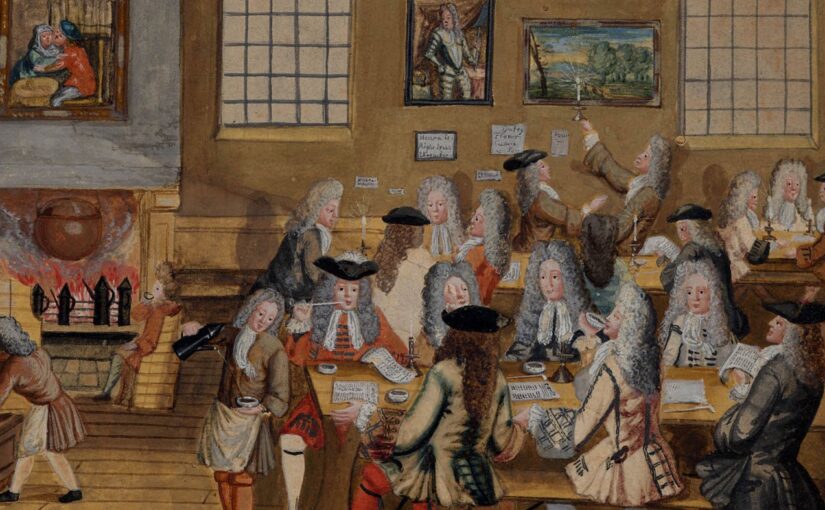
The influence of inns and innkeepers in the expansion of Freemasonry is indisputable. In the early days Masonic lodges commonly met in inns and taverns—venues that offered both practicality and hospitality in an era with few other options. These informal settings provided more than just shelter; they fostered a relaxed and sociable atmosphere, free from the constraints of long travel at a time when motorcars did not yet exist. Before the establishment of the Provincial Grand Lodge of Middlesex, several of the first Lodges in the area convened in such places.  The following list is by courtesy of WBro Stan Marut, and it shows  the first lodges established in the Middlesex area  –  even before the Provincial Grand Lodge – which met in taverns.

LODGE NoNAMECONSECRATEDFIRST MEETING PLACE
72Royal Jubelee1810Golden Lion, Goodman’s Fields*
255Lodge of Harmony1785Toy Inn, Hampton Court
382Royal Union Lodge1825King’s Arms Inn, Uxbridge
778Bard of Avon1859Golden Lion Hote, Stratford-upon-Aven, later moving to Middlesex
788Crescent1859King’s Head Hotel, Eel Pie Island, Twickenham
858South Middlesex1861Beaufort Hotel, North End, Fulham

* Goodman’s Fields was essentially outside of the City walls in what is now E1. In 1810 it would have been in Middlesex. Perhaps the first Middlesex Lodge in that area? Many others met in what we might call West/South West Middlesex. Indeed, there is perhaps a whole other history to be written about these early meeting places.

Now read on.

IN THE BEGINNING

Taverns, lnns and Coffee Houses played a meaningful role in the expansion of Freemasonry on the British Isles. The first Grand Lodge of England of speculative Freemasons was itself established at a tavern called The Goose and Gridiron, St Paul’s Churchyard, London. It was June 1717 and over the next six decades the Grand Lodge went on to meet at similar establishments in and around London. Only in 1775, the original Freemasons’ Hall was erected in Great Queen Street, London.

ln medieval time, there was a Free Mason’s Arms inn about every 16 to 20 miles on England’s highways, where operative Freemasons traveled in search of employment. In his diary entry for 1644, Samuel Pepys observed that Freemasons gathered solely in unique inns during their breaks from labour. They were required by regulations to stay in venues that were deemed honest and where only civil company was present. The Fraternity’s Arms were often painted on a sign board installed above the establishment’s porch-way and served to identify such places.

The landlord of every recognized Free Mason’s Arms inn was sworn in as a Serving Brother—continues Pepys — before being allowed to enter the lodge. His wife was sworn in as a “Mason’s Dame” so that if necessary she could work as a waitress and her conduct was explicitly stipulated for in her “oath.”

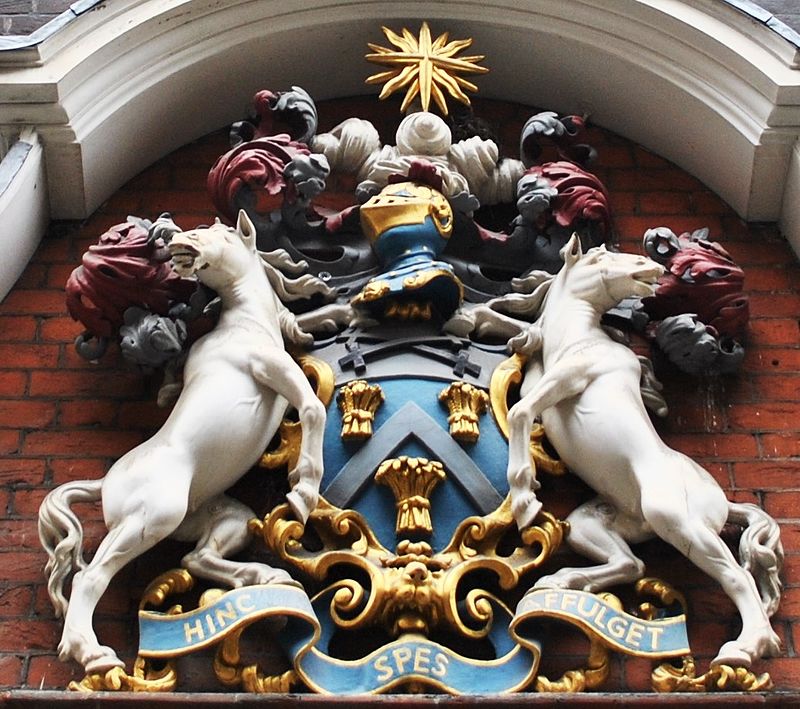
ln his diary, Samuel Pepy’s was, of course, referring to Freemason who were “operative” and belonged to their exclusive trade corporation called a Guild or Livery if based in the Square Mile i.e., the City of London. The Worshipful Company of lnnholders or Hostelers was established under Royal Charter in 1514. ln the City of London both operative and speculative masons met at the Masons’ Hall, a property today demolished but which once stood on Masons’s Lane, off Basinghall Street, near the Guildhall.

The Worshipful Company of Innholders - influence of inns and innkeepers in the expansion of Freemasonry

After the 1666 Great Fire of London savaged the City, whose buildings were mainly made of timber, an extensive restoration program began under the leadership of Christopher Wren. A year earlier in 1665, the plague had ravaged the country, leading to the deaths of many local Freemasons. Those vacancies were filled by craftsmen from other cities as well as from abroad; but on completion of the rebuilding of London, they moved back out of the capital, driving Freemasonry to turn into a “speculative” Order for survival.

FROM OPERATIVE TO SPECULATIVE

Continue reading The influence of inns and innkeepers in the expansion of Freemasonry

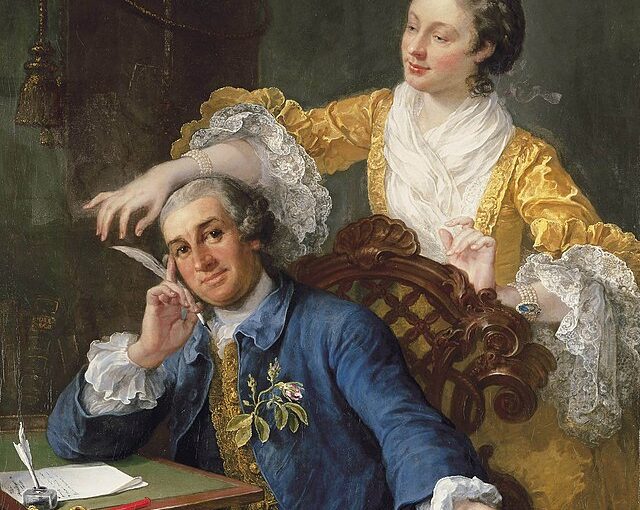
HIS MAJESTY’S SERVANT DAVID GARRICK – A FREEMASON ?

In the 18th century, actors were known as “His Majesty’s Servants”, and were entitled to wear the royal livery of scarlet. The most talented English Shakespearean actor of the time was David Garrick, whom Alexander Pope described “a young man who has never had an equal as an actor and never will.” Garrick became famous also as a playwright, producer and manager of the Theatre Royal in Drury Lane, London.

EARLY LIFE

He was born on February 19, 1717, at The Angel Inn in Hereford Town the grandson of David de la Garrique, a French Huguenot wine merchant, and the third child of Peter, a British Army recruiting officer who had emigrated from France in 1687. The family lived in Litchfield, Staffordshire, where David met Samuel Johnson while attending the local free grammar school. They became friends for life. The year 1717 is coincidental.

David travelled to Lisbon, Portugal, with his brother Peter Jnr in 1728 to learn about the wine business from their paternal uncle and returned to Litchfield a year later to continue his education.

When Samuel Johnson closed his failing Academy in Edial, near Lichfield in 1737, which David sometimes attended, he travelled to London in search of better fortune. David accompanied him. They set out in March, sharing one horse and a little money on the journey. In Rochester, the well-known mathematician Rev. Colson, had offered to give him free education, but then left for a post at Cambridge soon after David arrived. The young man returned to London and, with a little family inheritance, started a wine business jointly with his brother Peter running the venture from Litchfield. Much of the time as wine merchant was by necessity spent socialising and transacting business in taverns and coffee-houses, an occupation that young Garrick found quite agreeable. He focused  his business calls at the Bedford Coffee-house in Covent Garden, an establishment plagued by scandals, but also crowded every night with actors, playwright and theatre managers. The likeable Garrick was soon accepted within that circle and when in March 1741, a player at the Goodman’s Field Theatre fell unwell, Garrick dashed onto the stage to anonymously play the part of Harlequin.

David Garrick always wore a five-curled wig. He was a charmer with large eyes, stocky, short, with a soft voice and initially spoke with a strong Staffordshire accent that made him mispronounce words like “firm” as “furm”. In short, he was not considered suited for the theatre, but he proved everybody wrong.

Rising temperatures and poor sanitation in the capital during the summer caused the theatres to shut down for a few months, the wealthy to flee to their country homes, and the actors to tour the provinces.

In the summer of 1741, Garrick joined the Giffard & Dunstall theatre company and went to Ipswich where, under the stage name Lyddal, he became known as a talented young actor. in October the same year, he played Shakespeare’s Richard III for the first time under his own name at the Goodman’s Fields Theatre in Whitechapel, London. His performance was a hit and for seven months the nobility and gentry filled the road to Goodman’s Fields with their carriages to see him act.

Garrick had a long relationship with the scandalous Irish actress Pegg Woffington, but in June 1749, he married Eva Marie Veigel, a famous Viennese dancer and Lady Burlington’s protégée. John Fielding wrote of David’s lifetime devotion to Marie, “the chastity of Mr Garrick… and his exemplary life as a man has been a great service to the morals of the dissipated age.” The couple were childless, and even though Eva Marie outlived David by a record 43 years, she never remarried.

WAS GARRICK A FREEMASON?

Continue reading HIS MAJESTY’S SERVANT DAVID GARRICK – A FREEMASON ?

Influencia de la Masonería en Chile

A lo largo de los años la palabra “masón” se ha ido retorciendo a través del tiempo, desde formar organizaciones secretas que son dueñas del mundo hacer tener en control el poder tanto político como económico. Una de las preguntas más desafiantes que me ha tocado desafiar es ¿realmente todas estas especulaciones son verdaderas?,¿los masones son en verdad lo que dicen ser? A lo largo de las investigaciones que hice, lo único que encontré fueron más preguntas de las que esperaba encontrar.

Vamos a empezar con lo esencial ¿Qué es la masonería?

La masonería es una sociedad secreta que junta a varios individuos con un sentimiento de fraternidad. El objetivo principal que tienen es la búsqueda de la “absoluta verdad”, creen que con el encuentro de la verdad el hombre evolucionara en todos los aspectos. Ellos tienen un templo al cual le llaman logias y también le llaman así al grupo de masones que se reúnen. Hacen un tipo de “cultos” que son llamados tenidas, ahí se encuentran todos los miembros una vez al mes, pueden hacer el ritual apropiado para iniciar a los nuevos miembros, ascender de rango a un miembro y/o debaten sobre los temas simbólicos y sociales. Todas estas reuniones son bastantes decoradas ya que los masones son bastantes cuidadosos en el tema de la decoración, en sus encuentros se puede observar como tienen todo muy bien mantenido, hasta se enfocan en el ámbito de la música ya que contratan a orquestas profesionales para sus encuentros de aniversario (la tenida que describo se llama “Gran Tenida Blanca por el 192 Aniversario Patrio” toda recomendación que dé, al final del texto pondré los links para acceder a ellas). Ustedes se preguntarán ¿Por qué son tan detallistas los masones?

Masoneria en Chile

Los masones no son los únicos en fijarse en los detalles de sus encuentros, todas las religiones y métodos de creencia son detallistas ya que si encuentras un lugar todo sucio nadie va querer entrar ahí, no llamaría demasiada la atención y obviamente se requiere más miembros porque cada creencia quiere abarcar la mayor gente posible, sin embargo, queda otro punto más ya que los masones no buscan a cualquier persona, buscan a individuos con ciertas influencias o sino no tendría el poder que tienen ahora, y ¿Qué tiene ver el último punto con ser detallistas? Evidentemente todo esto es una táctica, porque eso demuestra el poder que tienen los miembros unidos. Es increíble como los menores detalles influyen en todo esto.

Ahora vamos a la parte más etimológica de lo que nos convoca hoy día. Logia proviene del italiano loggia que eso significa en español galería y a la vez proviene del francisco ripuario laubja, que significa “cobertizo enramado”. Bueno ustedes se preguntarán ¿qué sentido tiene todo esto? toda esta etimología fue para explicar que el significado galería hace mención a las juntas, porque en el siglo XIII los albañiles empezaron a hacer juntas secretas contra los frailes, las juntas las hacían en lugares que no estaban los frailes como los cobertizos. La palabra masón es la que me llamo más la atención, ya que en albañil en inglés es masón ¿y que relevancia tiene eso? La creencia masónica se dividió en dos corrientes la regular (que es la tradición anglosajona) y la liberal (tradición francesa) eso demuestra que desde esos años (hablamos del siglo XIII) ya había conflicto entre ingleses y franceses. Lo que más admiro de todo esto es la gran cantidad de participantes que tiene independiente de que corriente tome, como una sencilla reunión de albañiles vaya tomando tal fuerza que llegue hasta otro país.

Continue reading Influencia de la Masonería en Chile

Pomegranate in Freemasonry – its significance

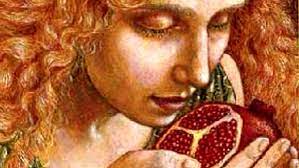
In Freemasonry the pomegranate is the emblem of the spiritual communion that binds the Brethren together during an initiation ceremony in the Lodge and (…)

In nature the pomegranate is native to the Middle East and Asia Minor and has been farmed there since ancient times.

However, it can thrive in a variety of soils and temperatures.

Pomegranates were thought to have aphrodisiac properties in antiquity and Hippocrates lauded its medicinal virtues.

To read the full article, click the link below:

https://pglm.org.uk/pomegranate-article/

The Black Queen of England

One of Prince Harry’s revelations in his book “Spare” is that his older brother, Prince William, disparagingly called his wife Meghan Markle a “difficult, unpleasant, and aggressive woman”.

Harry also says that his father, King Charles, is a person who does not tolerate anyone taking the spotlight off of him, as Diana undoubtedly did and Meghan was ostensibly about to do.

However, it is well known that the Duke and Duchess of Sussex attribute their present form of  exile and loss of privileges to the prejudices within the Royal Family, their “aides” and the British media. Whether you believe her or not, the British royal family has a history of hiding royal descendants that don’t fit the norm.

The Windsors, who adopted this fanciful name to conceal their German extraction and legitimate name of Saxe Coburn Gotha, have always regarded Meghan Markel an undesired household member.

Black Queen
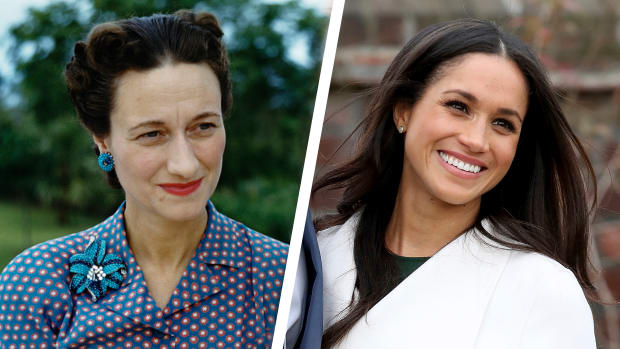
Wallis Simpson & Meghan Markle

She is an American divorcee and former actress with an African heritage. Unlike Kate Middleton, Duchess of Cambridge, she does not have a noble lineage, no matter how feeble that may be. She is truly a common woman who, unfortunetly, also reminds the Royals of another difficult American divorcee : Wallis Simpson, for whom the unforgivable Edward VIII abdicated in 1936.

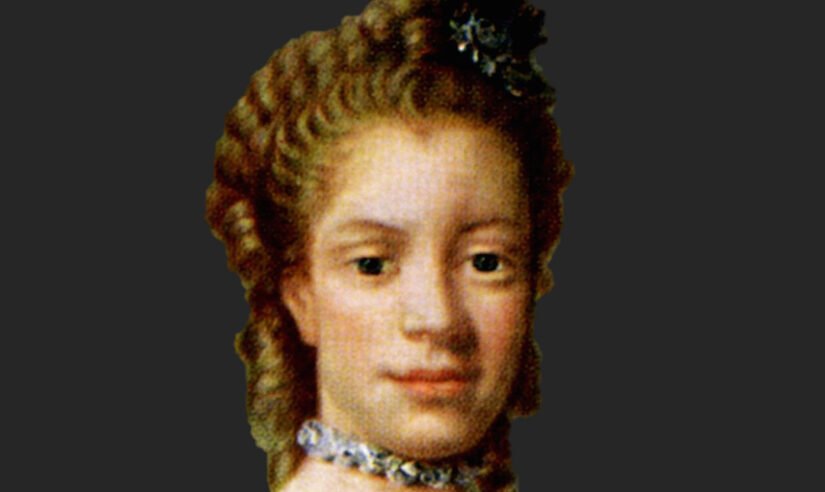
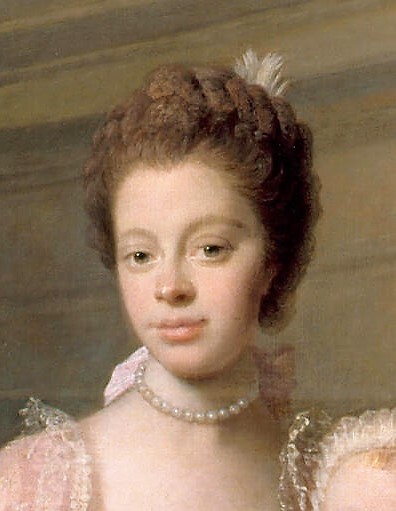
But look out because Meghan Merkel is most certainly neither the first nor the sole British Royal to have African ancestry; even Queen Charlotte was a mulatto!

The claim was made by an article printed in The Guardian in 2009  and written by Stuart Jeffries, from which I have extracted and edited the following piece.

Black Queen
Queen Charlotte

WHO WAS  CHARLOTTE MECKLENBURG-STRELIZ ?

Continue reading The Black Queen of England

DR MISAUBIN – THE QUACK FREEMASON

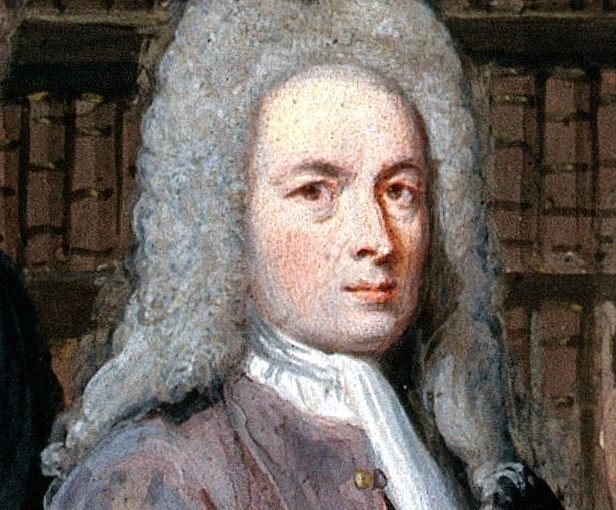
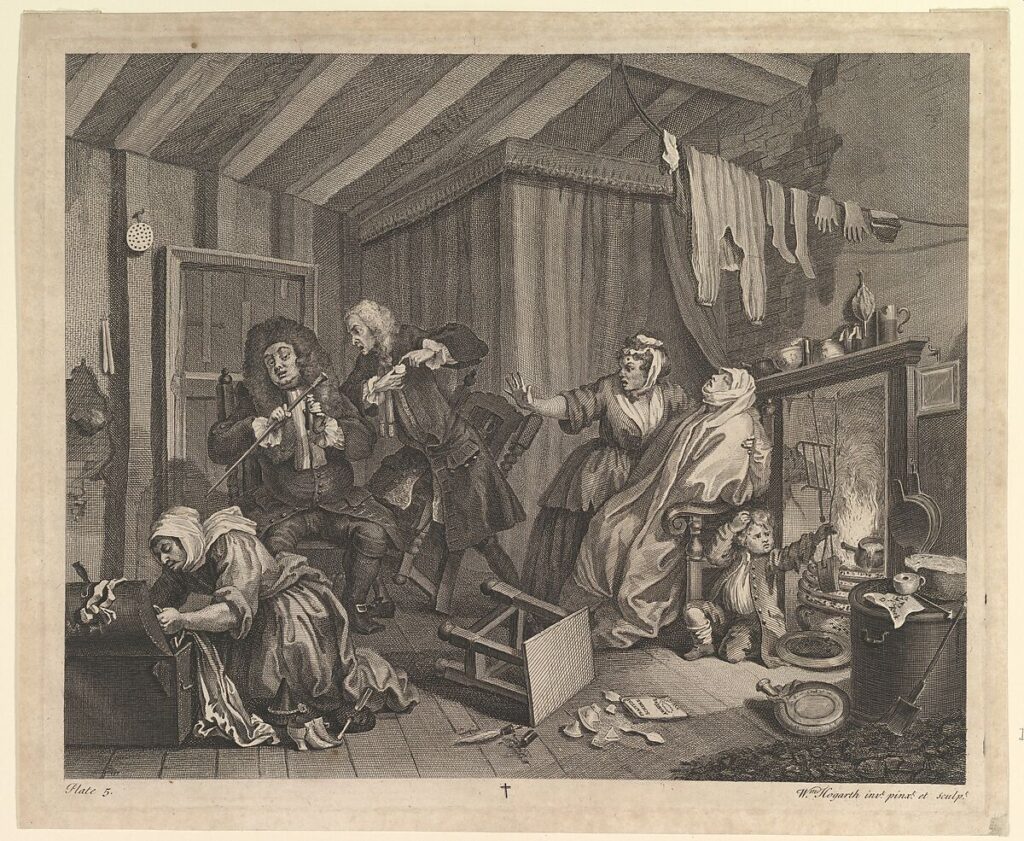
One individual whose reputation lies far from that of the archetypal Huguenot is John Jean Misaubin (1673-1734). It has been estimated that there were some 470 Huguenot refugee who practised the profession of medicine in England, from the beginning of the Reformation until the Huguenots ceased to seek refuge under the reign of George III. Dr John Misaubin was a fashionable ‘quack’ known to posterity thanks largely to the famous image of him by William Hogarth (1697-1764). He has been identified since contemporary times as ‘the thinner of the two doctors in Plate V of ‘A Harlot’s Progress’ published in 1732‘.

Misaubin

Here they are arguing the merits of their respective pills and potions whilst their patient Moll Hackabout, the Harlot, is dying of venereal disease, the reward of their calling.

Unsurprisingly, in the light of Hogarth’s striking and damning portrayal of medical incompetence, veniality and lack of humanity, all succeeding commentators over the years have repeated a pejorative refrain and called Misaubin a “notorious quack”.

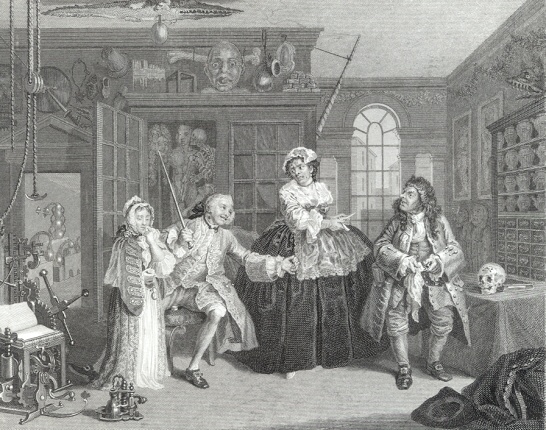
Misabubin has a presence in another of Hogarth’s great modern moral subjects’ series, his ‘Marriage a la mode’ of 1743-45.

Misaubin

The meaning of this scene, the third in the series, has always been particularly obscure. The impoverished Count with his young girl friend is visiting a quack who has been said to be Misaubin with his ‘Irish wife’. But not only the image is not a physical representation of Misaubin, his wife Martha (Marthe) Angibaud, was too a French Huguenot. Hogarth’s reference to Misaubin lies in the setting, thought by some commentators to represent Misaubin’s museum at 96, St Martin’s Lane. Here are shown two machines; one for pulling corks and the other for reducing dislocated shoulders! The open folio on the machines reads: ‘Explication de deux machines superbes l’un pour remettre l’épaules l’autre  pour servir de tire bouchon inventés par Mons de la Pillule…  — vues at approuvées par l’academie des Sciences a Paris’. The other specific reference to Misaubin is the dummy with the long wig in the cabinet indicated by the Count’s cane.  Misaubin lived at this address only from 1732 until his death there in 1734.

Continue reading DR MISAUBIN – THE QUACK FREEMASON