
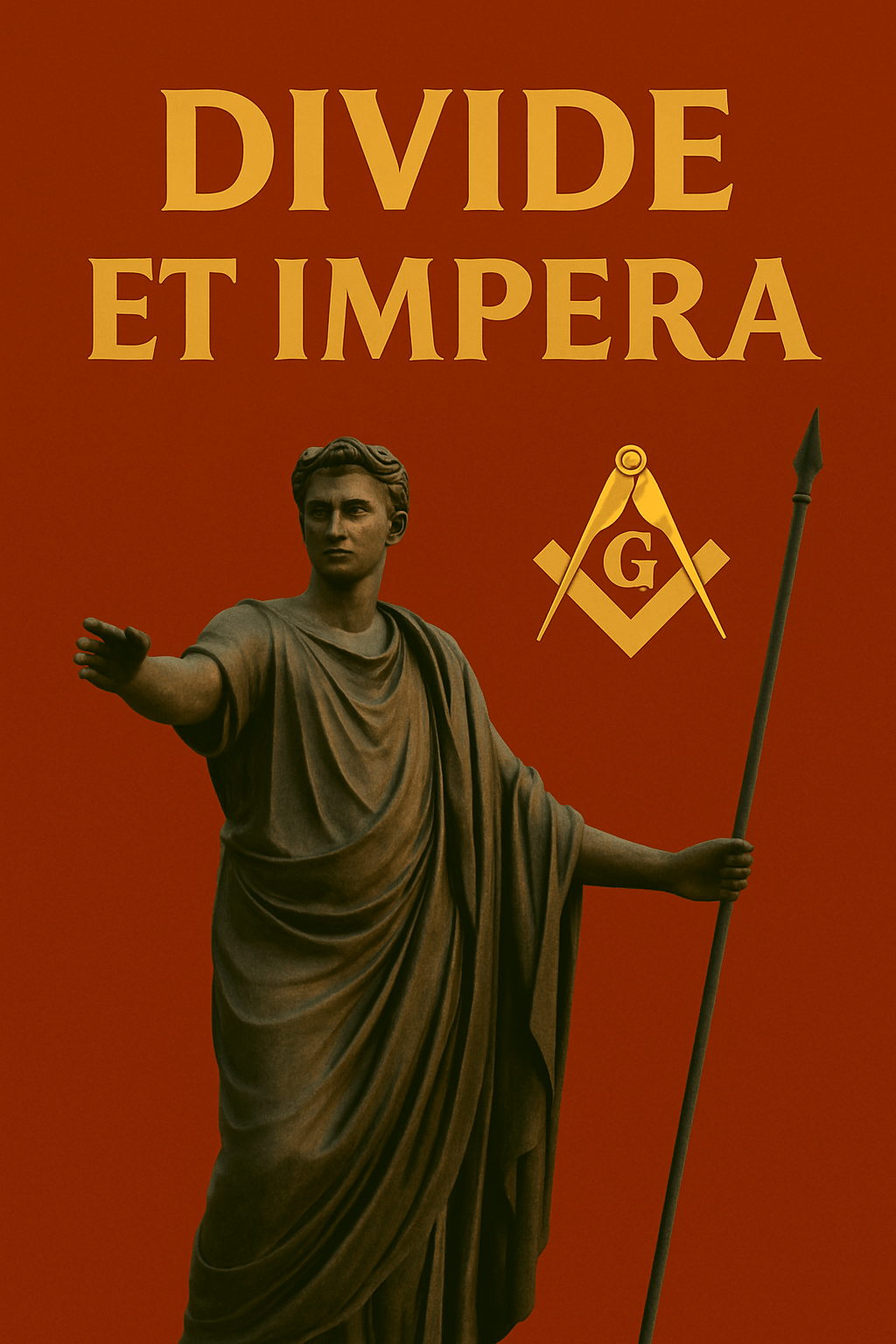
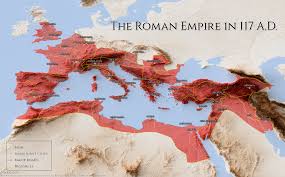
The ancient Roman maxim Divide et Impera—“Divide and Rule”—remains one of the most enduring and astute strategies for power ever devised. Used by Rome to maintain control over its vast and diverse territories, it relied on keeping subject populations internally fractured so they could not unite against the Empire. The brilliance of this method lies in its simplicity: people divided are people distracted, manageable, and ultimately more easily subjugated. Though centuries have passed, the spirit of Divide et Impera is alive and well in politics and in communities once assumed to be insulated from such manipulation.
The Rebranding of Control
In ancient times, Roman povincial governors masterfully played local leaders, religious groups, and neighboring communities against one another. They awarded privileges unevenly, cultivated rivalries, and discouraged cohesion. This ensured that no unified resistance could ever rise. Today, we see similar tactics, cloaked in the language of inclusion, diversity, and pluralism.
We see governments and institutions in our time, frequently exploiting ideological, racial, and religious differences. The result is : fragmentation. Meanwhile, the ruling elite acts with greater impunity, shielded as it is by the smoke of division.
Amid the chaos of distraction, emergency laws pass with minimal scrutiny, freedoms are slowly but surely eroded without recourse, wealth consolidates in the hands of the few, and large-scale surveillance is introduced without prior general discussion and public approval.
The Fracturing of the Fraternal Ideal
Alarmingly, even an institution like Freemasonry that was built on unity are not immune to such machiavellian policy. Once a refuge from the turbulent divisions of the outside world, it now increasingly mirrors those same divisions within the walls of its temples as the…
divide et impera begins quietly to infiltrate. In the name of equality and openness, recruitment now draws men from an ever wider spectrum of ethnicities, faiths, and cultures. At first glance, this appears enlightened — and in many respects it is. Yet it also carries an unintended risk: the gradual erosion of the shared customs and cultural cohesion that once sustained the brotherhood. What begins as a gesture of goodwill and inclusion, may reveal itself as a subtle instrument of internal fragmentation and eventual disintegration.
The Disappearance of Harmony
The traditions that once defined lodge life are fading. The happy, informal customs of brethren sharing a drink outside the lodge before and after a meeting, their families enjoying a meal and a day out together, are increasingly rare. What once bound men together through familiarity and conviviality is now replaced by awkwardness, cultural dissonance, silence.
The Lady’s Night and even the humble Sunday Pub lunch have become untenable for brethren of certain faiths and are replaced with an Indian or halal meal, unfamiliar to some and unpalatable to others. Diets, religious observance, and cultural preferences begin to divide where once unity was natural and effortless.
This is not to malign any group or culture. Rather, it is to highlight that when diversity is emphasized without shared values, the unifying spirit dissolves. Brotherhood becomes coexistence. Harmony gives way to tolerance. And tolerance, in time, can fade into indifference.
The Abandonment of Masonic Standards
Within this atmosphere of expansive inclusion, a further and more delicate question presents itself: whether the long-standing Masonic requirement — that a man be free, of mature age, of sound judgement, and acknowledged a Freemason by the integrity of his initiation — risks being softened through adjustments made to the traditional form, for the purpose of addressing particular and newly arising circumstances. Today, such old, valid and honourable gatekeeping is being dismissed as outdated and discriminatory.
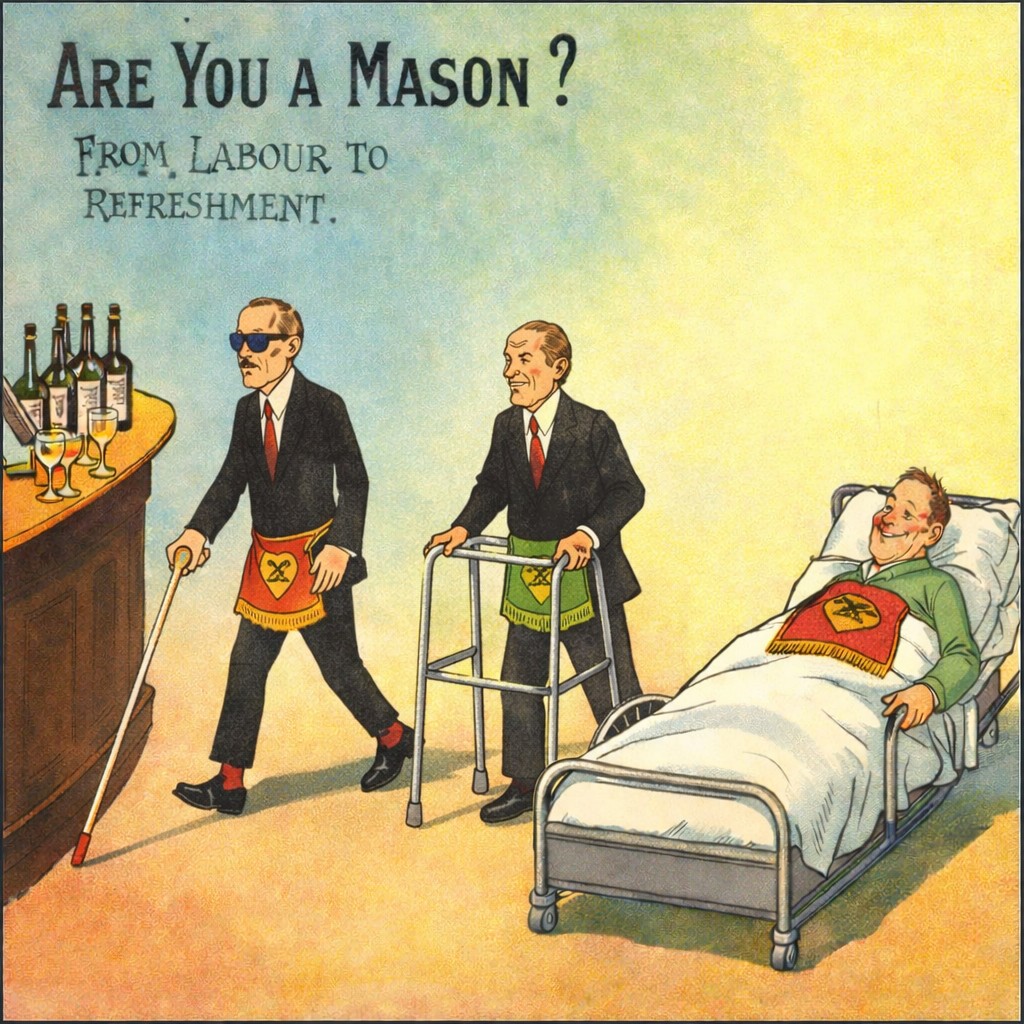
Yet the implications are not insignificant. When individuals are admitted who are unable to participate fully in the work of the lodge — whether owing to physical or mental limitations, or to language barriers — and inclusion becomes the overriding consideration, responsibilities shift to the others. Advancement may thus reflect accommodation more than merit and study. By favouring numbers over preparedness, the Craft risks departing from its identity as a fellowship of equally contributing members, weakening the principle that progress is earned through merit and effort.
To acknowledge divide et impera as a contemporary malaise is the beginning of vigilance. Its remedy lies not in rhetoric, but in a renewed commitment to the enduring principles of Love, Relief, and Truth, upheld by a common bond of belonging. For if division is allowed to take root unnoticed, the Craft may forfeit not merely its customs, but the spirit that animates it.
The Wisdom and the Warning
Rome’s lesson was clear: division weakens. Whether in an empire, a Nation or a Lodge, unity must be protected with vigilance and care, without which inclusion becomes fragmentation.
To acknowledge divide et impera as a contemporary malaise is the beginning of vigilance. Its remedy lies not in rhetoric, but in a renewed commitment to the enduring principles of Love, Relief, and Truth, upheld by a common bond of belonging. For if division is allowed to take root unnoticed, the Craft may forfeit not merely its customs, but the spirit that animates it.
by Frater Nemo
The Editor’s Note
The following article offers a robust argued viewpoint on the issue of social cohesion, authority, and the preservation of traditions. The opinions herein expressed, however, are those of the author only and do not necessarily represent the views of Tetraktys.
While readers may not agree with the conclusions drawn, the issue reflects concerns that are increasingly encountered in public and private discourse alike, particularly regarding unity, continuity, and the effects of rapid changes. We publish this piece in the belief that responsible journalism should provide space for serious reflection on matters like this, and that open discussion remains essential to the health of civic and institutional life.
- THE FRACTURED LODGE - February 14, 2026
- Robert Burns – A Poet and a Freemason - January 2, 2026
- HIS MAJESTY’S SERVANT DAVID GARRICK – A FREEMASON ? - June 7, 2024