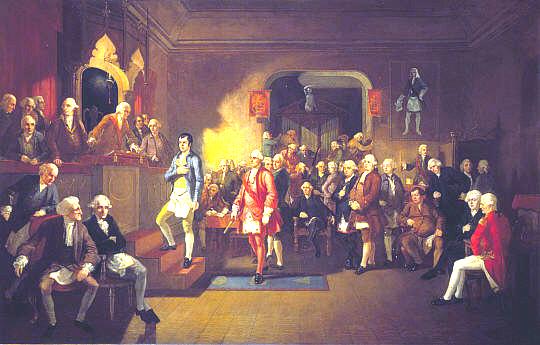
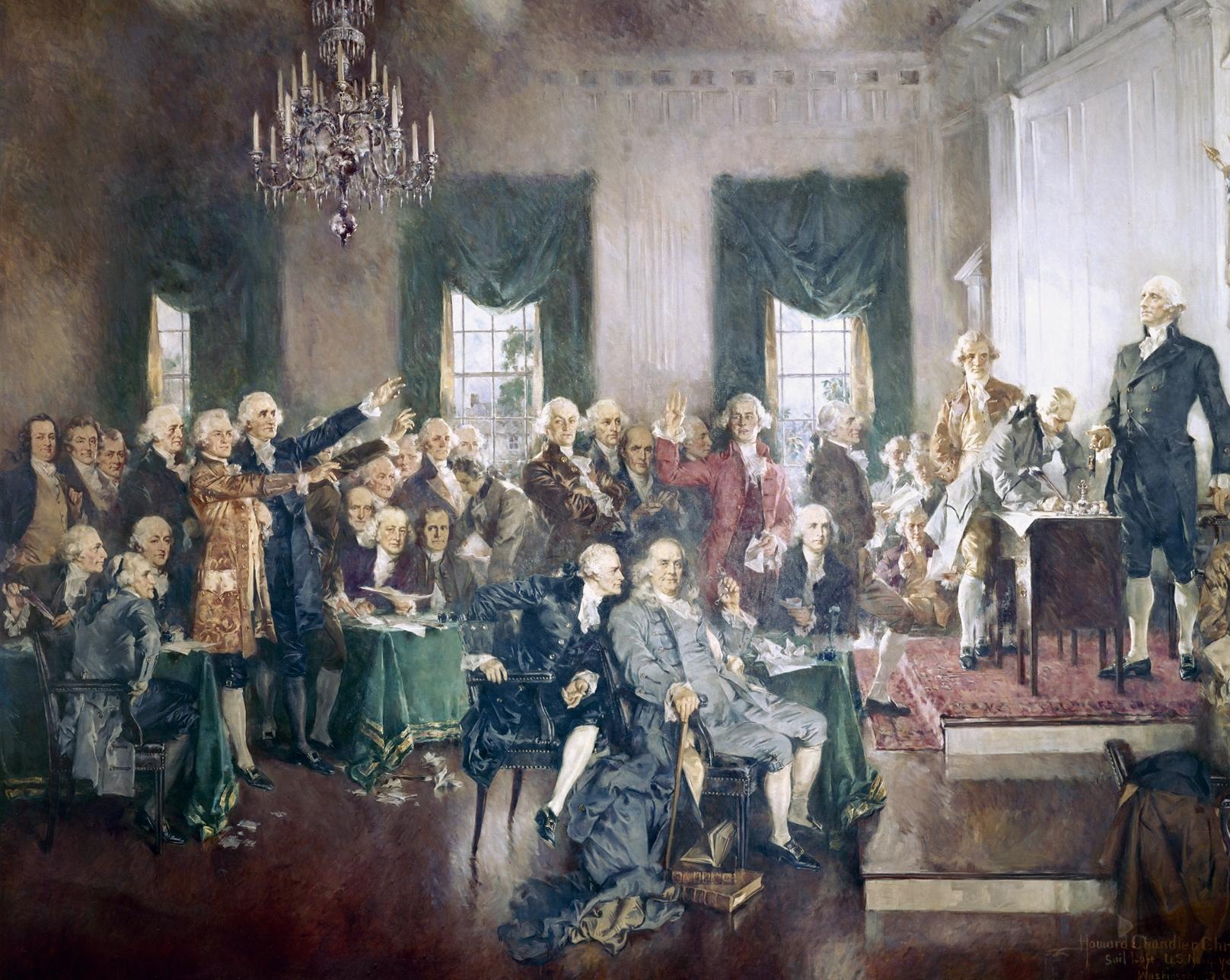
The Cable-Tow is purely Masonic in its meaning and use, or so we are told.
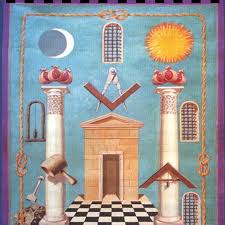
(…) In an early pamphlet by Pritard, issued in 1730 the cable-tow is a called a “Cable-Rope” and in another edition : a “Tow-Line.” However in neither pamphlet is the word ever used in exactly the same form and sense in which it is used today. (…) The whole Masonic Lodge is a symbol and every object and every act performed within it , is symbolical. The whole fits together into a system of symbolism by which Masonry veils the truth that it seeks to teach.
As far back as we can go in the history of any initiation, we find the cable-tow, or something similar , used very much as it is used in a Masonic Lodge today. Whether it is called “Khabel” from the Hebrew or “Cabel” from the Dutch (both meaning a rope) the fact is the same. In India, in Egypt and in most of the ancient world , a cord or cable was being used in the same way and for the same purpose.
So far as we can make out, the cable-tow seems to represent some kind of pledge, a vow in which a man pledges his life. We even find the cable-tow being employed outside the initiatory rites. For example, in a striking scene recorded in the Bible (I Kings 20:31,32), the description of which is almost Masonic, “Ben-Hadad” – the King of Syria – had been defeated in battle by the King of Israel and his servants are making a plea for his life. They approach the King of Israel “with ropes upon their heads,” and speak of his “Brother, Ben-Hadad.”
Why did they wear ropes, or nooses, on their heads?
Possibly to symbolize a pledge of some sort, given in a Lodge or otherwise, between the two Kings, of which they wished to remind the King of Israel. The King of Israel asked: “Is he yet alive? He is my brother.” Then we read that the servants of the Syrian King watched to see if the King of Israel made any sign, and, catching his sign, they brought the captive King of Syria before him. Not only was the life of the King of Syria spared, but a new pledge was made between the two men.
The cable-tow, then, is also the visible symbol of a vow by which a man has pledged his life, or has pledged himself to save another man’s life at the risk of his own. Its length and strength are measured by the ability of that man to fullfil his obligation ; a test of both his capacity and his character.
If a lodge is a symbol of the world and the initiation is our birth into the world (of Masonry) , the cable-tow is not dissimilar from the cord which unites a child to his/her mother at birth. Just as the physical cord, when cut, is replaced by a tie of love between mother and child, so, in one of the most impressive moments of initiation, the cable-tow is removed, because the Brother, by his oath at the Altar of Obligation, is bound by a tie stronger than any physical cable.
The cable-tow is the sign of the pledge of the life of a man. As in his oath he agrees to forfeit his life if his vow is violated, so he pledges his life to the service of the Craft. He agrees to go to the aid of a Brother, using all his power in his behalf, “if within the length of his cable-tow,” which means, if within the reach of his power.
But, let us remember that a cable-tow has two ends. If it binds a Mason to the Fraternity, by the same token it binds the Fraternity to each man in it. Happily, in our days we are beginning to see the other side of the obligation – that the Fraternity is under vows to its members to guide, instruct and train them for the effective service of the Craft and of Humanity.
Control, obedience, guidance – these are the three meanings of the cable-tow. Of course, by Control we do not mean that Masonry commands us in the same sense that it uses force. Not at all ! Masonry rules men as beauty rules an artist, as love rules a lover. It controls us, shapes us through its moral teaching and so it wins obedience and gives guidance and direction to our lives.
What is the length of a cable-tow ?
Some say it is seven hundred and twenty feet, or twice the measure of a circle. Others say that the length of the cable-tow is three miles. But such figures are merely symbolical, since to one man it may mean three miles and to another three thousand miles – or to the end of the earth.
For each Mason the cable-tow reaches as far as his moral principles go and his material conditions will allow. Of that distance each person must be his own judge!
So mote it be.
by Anon
extract from the "short Talk Bulletin" - vol IV March, 1926 N.3
En 1730, Samuel Pritchard, miembro de una logia constituida en Inglaterra, publicó un tratado titulado Masonería Discreta; e hizo un juramento ante el Lord Mayor de Londres que era una copia verdadera. « Samuel Pritchard hace el juramento de que la obra anexa era un ejemplar verdadero y genuino en cada detalle ». En su trabajo, ha dado el catecismo o examen, en pregunta y respuesta, de los Aprendices, el Compañero de Artesania y el Maestro Masón. No hubo dificultad para hacer esto, ya que es una mera forma.
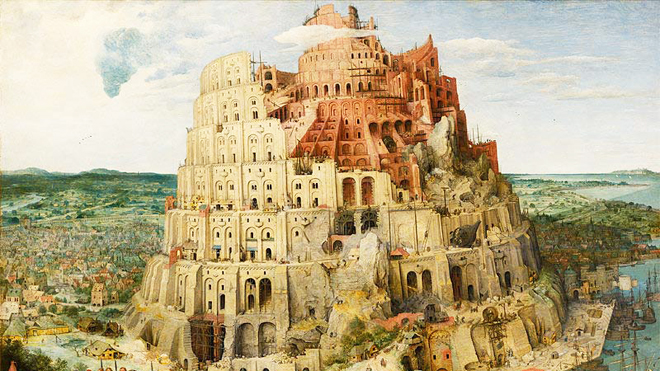
« En su introducción », dice, « la institución original de la Masonería consistió en la fundación de las artes liberales y las ciencias, pero más especialmente en geometría, ya que en la construcción de la torre de Babel,
el arte y el misterio de la Masonería se introdujeron por primera vez, y de allí, transmitido por Euclides, un matemático digno y excelente de los egipcios; y se lo comunicó a Hiram, el Maestro Masón involucrado en la construcción del Templo de Salomón en Jerusalén ». Además del absurdo de derivar la masonería de la construcción de Babel, donde, según la historia, la confusión de las lenguas impidió que los constructores se entendìeran entre si y, por consiguiente, comunicaran cualquier conocimiento que tuvieran, existe una evidente contradicción en el punto de la cronología en el cuenta que él da.
El Templo de Salomón fue construido y dedicado 1004 años antes de la era cristiana; y Euclides, como se puede ver en las tablas de cronología, vivieron 277 antes de la misma época. Por lo tanto, era imposible que Euclides pudiera comunicarle algo a Hiram, ya que Euclid no vivió hasta 700 años después de la época de Hiram.
En 1783, el Capitán George Smith, inspector de la Real Academia de Artillería en Woolwich, en Inglaterra, y Gran Maestro Provincial de Albañilería para el condado de Kent, publicó un tratado titulado « El Uso y Abuso de la Masonería Libre ».
En su capítulo de la antigüedad de la Masonería, hace que sea coetáneo con la creación, « cuando », dice él, « el arquitecto soberano elevó en los principios masónicos el bello mundo, y ordenó a la ciencia maestra, la Geometría, establecer el mundo planetario , y para regular por sus leyes todo el estupendo sistema en una proporcion justa e infalible, girando alrededor del sol central ».
« Pero », continúa él, « no tengo libertad para descorrer públicamente la cortina, y abiertamente para disentir sobre esta cabeza; es sagrada, y siempre lo será; aquellos que son honrados con la confianza no la revelarán, y aquellos que no lo conocen no pueden traicionarlo ». En esta última parte de la frase, Smith se refiere a las dos clases inferiores, el compañero artesano y el aprendiz inscrito, porque dice en la siguiente página de su obra: “No todos los que apenas se inician en la Masonería libre son a quienes se les confiaron todos los misterios que les pertenecen, no se pueden obtener como cosas por supuesto, ni por cualquier capacidad.
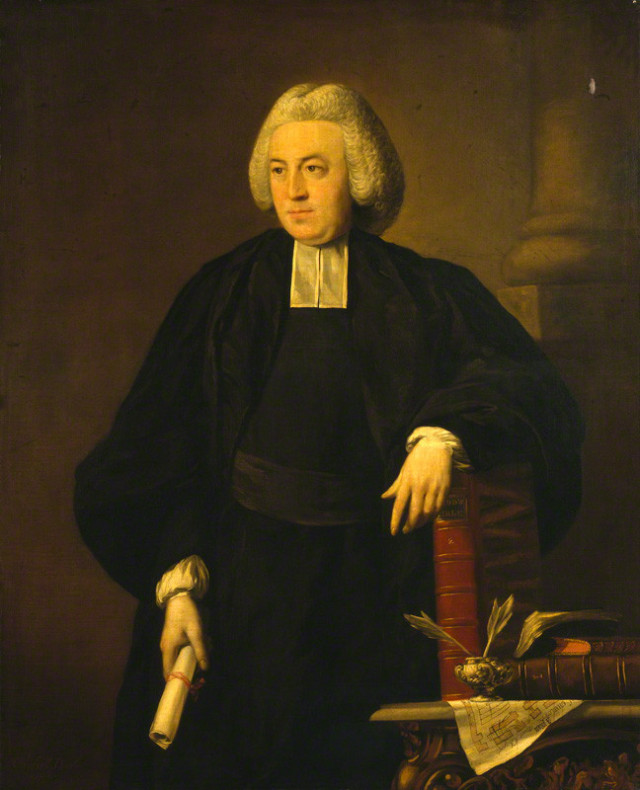
El docto, pero desafortunado Doctor Dodd, Gran Capellán de la Masonería, en
su discurso en la dedicación de Free-Masons Hall, Londres, rastrea la Masonería a través de una variedad de etapas. Los masones, dice él, están bien informados por sus propios registros privados e
interiores de que la construcción del Templo de Salomón esuna era importante, de donde derivan muchos misterios de su arte. «Ahora » ,dice él, « recordemos que este gran evento tuvo lugar más de 1000 años antes de la era cristiana, y en consecuencia más de un siglo antes de que Homero, el primero de los poetas griegos, escribiera, y más de cinco siglos antes de que Pitágoras trajera al este, su sublime sistema de instrucción verdaderamente masónica para iluminar nuestro mundo occidental. Pero, por remoto que sea este período, no nos damos cuenta desde allí del comienzo de nuestro arte. Aunque podría deberse al sabio y glorioso Rey de Israel, algunos de sus muchas formas místicas y ceremonias jeroglíficás, sin embargo, ciertamente el arte mismo es coetáneo con el hombre, el gran tema de la misma ».
« Trazamos », continúa él, « sus pasos en las edades y naciones más distantes, más remotas del mundo. Lo encontramos entre los primeros y más famosos civilizadores del este. Lo dedujimos regularmente de los primeros astrónomos de las planicies de Caldea, de los sabios y místicos reyes y sacerdotes de Egipto, de los sabios de Grecia y de los filósofos de Roma ».
A partir de estos informes y declaraciones de los masones de primer orden en la institución, vemos que la Masonería, sin declarar públicamente eso, reclama una comunicación divina del creador, de una manera diferente y desconectada del libro que los cristianos llama a la biblia; y el resultado natural de esto es que la Masonería se deriva de una religión muy antigua, totalmente independiente y desconectada de ese libro.
Para llegar enseguida al grano, se deriva la Masonería (las costumbres, ceremonias, jeroglíficos y cronología y son los restos de la religión de los antiguos Druidas; quienes, como los Reyes Magos de Persia y los Sacerdotes de Heliópolis en Egipto, fueron Sacerdotes del Sol. Le rindieron culto a esta gran luminaria, como el gran agente visible de una gran primera causa invisible a quien denominaron «Tiempo sin límites ».
La religión cristiana y la masonería tienen un mismo origen común: ambos se derivan de la adoración del sol. La diferencia entre su origen es que la religión cristiana es una parodia del culto al sol, en la que ponen a un hombre al que llaman Cristo, en el lugar del sol, y le pagan la misma adoración que se pagó originalmente a el Sol, como lo he mostrado en el capítulo sobre el origen de la religión cristiana.»
En la Masonería, muchas de las ceremonias de los Druidas se conservan en su estado original, al menos sin ninguna parodia. Con ellos, el Sol sigue siendo el Sol; y su imagen, en forma de sol, es el gran ornamento emblemático de las logias masónicas y los vestidos masónicos. Es la figura central en sus delantales, y lo usan también colgante en el pecho en sus logias, y en sus procesiones. Tiene la figura de un hombre, como a la cabeza del sol, como Cristo siempre está representado.
En qué período de la antigüedad, o en qué nación, esta religión se estableció por primera vez, se pierde en el laberinto del tiempo no registrado. Generalmente se atribuye a los antiguos egipcios, los babilonios y los caldeos, y luego se redujo a un sistema regulado por el aparente progreso del sol a través de los doce signos del zodiaco por Zoroastro, el legislador de Persia, desde donde Pitágoras lo trajo a Grecia. Es a estos asuntos que el Dr. Dodd se refiere en el pasaje ya citado de su oración.
La adoración del Sol como el gran agente visible de una gran primera causa invisible, « Tiempo sin límites », se extendió por una parte considerable de Asia y África, de allí a Grecia y Roma, através de toda la antigua Galia y en Gran Bretaña y Irlanda.
Smith, en su capítulo sobre la antigüedad de la Masonería en Gran Bretaña, dice que «a pesar de la oscuridad que envuelve la historia masónica en ese país, varias circunstancias contribuyen a probar que la Masonería Libre fue introducida en Gran Bretaña alrededor de 1030 años antes de Cristo ». No puede ser Masonería en su estado actual al que Smith alude aquí. Los Druidas florecieron en Gran Bretaña en el período del que él habla, y es de ellos de donde desciende la Masonería. Smith ha puesto al niño en el lugar del padre.
A veces sucede, tanto en la escritura como en la conversación, que una persona deja escapar una expresión que sirve para desentrañar lo que intenta ocultar, y este es el caso de Smith, porque en el mismo capítulo dice: « Los druidas, cuando se dedicaron a escribir, utilizaron el alfabeto griego y me atrevo a afirmar que los restos más perfectos de los ritos y ceremonias de los druidas se conservan en las costumbres y ceremonias de los masones que se encuentran entre la humanidad ». «Mis hermanos », dice él, «pueden ser capaces de rastrearlos con mayor exactitudde lo que estoy en libertad de explicarle al público ».
Como el estudio y la contemplación del Creador, está en las obras de la creación, el Sol, como el gran agente visible de ese Ser, era el objeto visible de la adoración de los druidas; todos sus ritos religiosos y ceremonias tenían referencia al aparente progreso del Sol a través de los doce signos del Zodiaco y su influencia sobre la tierra. Los masones adoptan las mismas prácticas. El techo de sus Templos o Logias está adornado con un Sol, y el piso esuna representación de la cara abigarrada de la tierra, ya sea mediante alfombras o mosaicos.
Freemasons Hall, en Great Queen Street, Lincolns Inn Fields, Londres, es un magnífico edificio que cuesta más de 12,000 libras esterlinas. Smith, al hablar de este edificio, dice: ‘El techo de este magnifico salón es con toda probabilidad la pieza más alta de arquitectura terminada en Europa. En el centro de este techo, un Sol resplandeciente está representado en oro bruñido, rodeado de los doce signos del zodiaco, con sus respectivos personajes. El caso es que el día llamado el día de San Juan, es el 24 de Junio, y es lo que se llama el día de San Juan. El sol llega al solsticio de verano; y, con respecto a su altitud meridional, o la altura a mediodía, durante algunos días parece ser de la misma altura. El día astronómico más largo, como el día más corto, no es todos los años, a causa del año bisiesto, en el mismo día numérico, y por lo tanto, el 24 de Junio siempre se toma para el día de verano; y es en honor al sol, que ha llegado a su mayor altura en nuestro hemisferio, y no a San Juan, que este festival anual de los masones, tomado de los druidas, se celebra en pleno verano dia.
Las costumbres a menudo sobrevivirán a la remembranza de su origen, y este es el caso con respecto a una costumbre que todavía se practica en Irlanda, donde los druidas florecieron en el momento en que florecieron en Gran Bretaña. En vísperas del día de San Iuan, es decir, en la víspera del solsticio de verano, la luz irlandesa enciende en lo alto de las colinas. Esto no puede tener ninguna referencia a San Iuan; pero tiene una referencia emblemática del sol, que ese día está en su elevación más alta del verano, y podría decirse que en un lenguaje común llegó a la cima de la colina.
Aunque los masones han tomado muchas de sus ceremonias y jeroglíficos de los antiguos egipcios, es seguro que no han tomado su cronología desde allí. Si lo hubieran hecho, la iglesia los habría enviado pronto a la hoguera; como la cronología de los egipcios, como la de los chinos, va muchos miles de años más allá de la cronología de la Biblia.
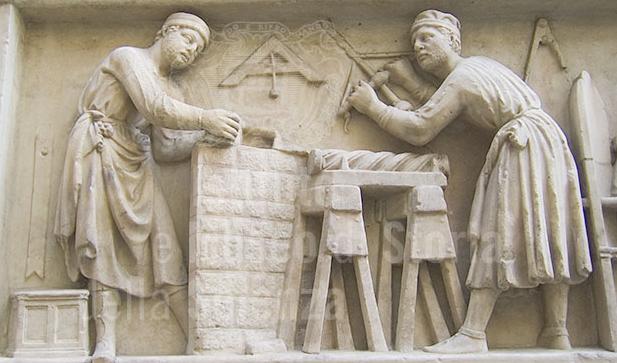
La religión de los druidas, como se dijo antes, era la misma que la religión de los antiguos egipcios. Los sacerdotes de Egipto eran los profesores y maestros de la ciencia, y fueron nombrados sacerdotes de Heliópolis, es decir, de la Ciudad del Sol. Los druidas en Europa, que eran del mismo orden que los hombres, tienen su nombre del teutón o antiguo idioma alemán; el alemán que antiguamente se llamaba Teutones. La palabra Druid significa un hombre sabio.
« Egipto », dice Smith, «de donde derivamos muchos de nuestros misterios, siempre ha tenido un rango distinguido en la historia, y una vez fue celebrado sobre todos los demás por sus antigüedades, su aprendizaje, su opulencia y su fertilidad. En su sistema, sus principales héroes-dioses, Osiris e Isis, representan teológicamente al Ser Supremo y la Naturaleza universal; y fisicamente las dos grandes luminarias celestiales, el Sol y la Luna, por cuya influencia toda la naturaleza actuó. Los hermanos con experiencia de la sociedad, » dice Smith en una nota a este pasaie « estan bien informados sobre la afinidad que estos símbolos tienen con La Masonería, y por que se usan en todas las Logias Masónicas. » Al hablar de la vestimenta de los masones en sus Logias, parte de la cual, como vemos en sus procesiones públicas, es un delantal de cuero blanco, dice, « los Druidas eran vestidos de blanco en el momento de sus sacrificios y solemnes oficios. Los sacerdotes egipcios de Osiris usaban algodón blanco como la nieve. El griego y la mayoría de los otros sacerdotes vestían prendas blancas. Como masones, consideramos los principios de aquellos «que fueron los primeros adoradores del Dios verdadero », imitar su vestimenta y asumir la insignia de la inocencia ».
« Los egipcios », continúa Smith, « en las edades mas tempranas constituyeron un gran número de Logias, pero con cuidado asiduo mantuvieron sus secretos de la Masonería de todos los extraños. Estos secretos han sido transmitidos imperfectamente a nosotros por la tradición oral solamente, y deberían mantenerse sin descubrir a los trabajadores, artesanos y aprendices, hasta que con un buen comportamiento y un largo estudio se familiaricen mejor con la geometría y las artes liberales, y así calificados para Maestros y Guardianes, que rara vez o nunca es el caso de los masones ingleses ».
(This is an extract from “Historical Consideration of the Origin and Development of Freemasonry” by Arthur Edwards Waite published in its entirety in 1923)
Less than forty years after the foundation of Grand Lodge , Knightly Orders begun to develop with titles , in some cases , being borrowed from the old institutions of Christian Chivalry.
The invention was so successful that those Orders multiplied from 1754 to the threshold of the French Revolution. New denominations were being devised when the old titles were exhausted and many rituals established.
Twenty years after the date of the London Grand Lodge and when that of Scotland may not have been twelve months old, the memorable Scottish Freemason Andrew Michael Ramsay, delivered an historical address in a French Lodge in Paris, in the course of which he explained that the Masonic Brotherhood arose in Palestine during the period of the Crusades, under the protection of Christian Knights, with the object of restoring Christian Churches which had been destroyed by Saracens in the Holy Land.
The foster-mother of Masonry, was the Chivalry of St. John.
Ramsay left the Masonic arena after that speech and died in the early part of 1743, but his discourse produced a profound impression on French Freemasonry. He offered no evidence, but France undertook to produce the creation of Rites and Degrees of Masonic Knighthood, no trace of which is to be found prior of Ramsay. Their prototypes were the Knights of Malta, the Knights of the Holy Sepulchre, the Knights of St.Lazarus – all under the Papal seal – and the Order of Christ under the patronage of the Portuguese Crown. There is no need to say that those Religious and Military Orders have nothing in common with the Operative Masonry of the past. When the story of a secret perpetuation of the old Knights Templar rose up within Freemasonry, it came about that the Templar element overshadowed the dreams and pretensions of other Masonic Chivalries, or, more correctly, outshone them all. The Chevalier Ramsay never spoke of the Templar ; the points of his statements were that :
the hypothetical building confraternity of Palestine united with the Knights of St. John of Jerusalem;
that such fraternity became established in various countries of Europe as the Crusaders drifted back;
that its chief centre , in the thirteenth century , was Kilwinning in Scotland.
But the French and German Masonic minds went on to work upon this thesis, and in presenting the Craft with the credentials of Knightly connections, it substituted the Order of the Temple for the Chivalry chosen by Ramsay. The Battle of Lepanto in October 1571 and the Siege of Vienna had invested the annals of the St. John Knighthood with a great light of valour. But this was little in comparison with the attraction which, for some reason, attached to the Templar name and was magnified when the proposition arose that the great chivalry had continued to exist in secret from the days of Philippe le Bel even to the second half of the eighteenth century. But of course there is no evidence of any Rite or Degree of Masonic Chivalry prior to 1737, the date of the discourse of Ramsay.
According to the Rite of the Strict Observance the proscribed Order was carried by its Marshal, Pierre d’Aumont, who escaped with a few other Knights to the Isles of Scotland, disguised as Operative Masons. They remained there and under the same veil the Templar Order continued to exist in secret from generation to generation under the shadow of the mythical Mount Heredom of Kilwinning.
The first Masonic Chivalry Order which put forward the story of the Templar origin was The Strict Observance , founded by Baron von Hund in Germany between about 1751 and 1754.
The Story of the origin
The story goes that the Templar Order began in poverty, but Baldwin II, King of Jerusalem, gave them a house in the vicinity of the site where Solomon’s Temple had been built. When it was put in repair by Hugh de Payens and the rest of the first Brethren, their digging operations unearthed an iron casket which contained priceless treasures. Chief among them was the process of the Great Work in Alchemy, in other words the secret of transmuting metals, as it had been communicated to Solomon by the Master Hiram Abiff.
Only in this way it is possible to account for the wealth which adorned and characterised the First Temple. The discovery also explains the wealth acquired by the Templar Order and which it later led to their destruction. Traitors who knew of the secret, although they had not themselves attained it, revealed the fact to Clement V and Philip the Fair of France, and the real purpose of the persecution which followed was to wrest the transmuting process from the hands of its custodians. Jacques de Molay and his co-heirs died to preserve such secret but three of the initiated Knights made their escape and after long wandering from Country to Country, they found refuge in the caves of Mount Heredom. They were helped by Knights of St. Andrew of the Thistle, with whom they made an alliance and on whom they conferred their knowledge. To conceal it from others and yet transmit it through the ages , they created the Masonic Order in 1340; but the alchemical secret, which is the physical term of the Mystery, has only ever been reserved to those who can emerge from the veils of allegory , that is to say, for the chiefs of St. Andrew of the Thistle, who are Princes of the Rosy Cross and the Grand Council of the Chapter.
There is nothing in this story that can be taken seriously but this is not to say that there is no vestige of possibilities behind it. In which case the old material would then have been worked over and adapted to Masonic purposes, inspired by the oration of Ramsay.
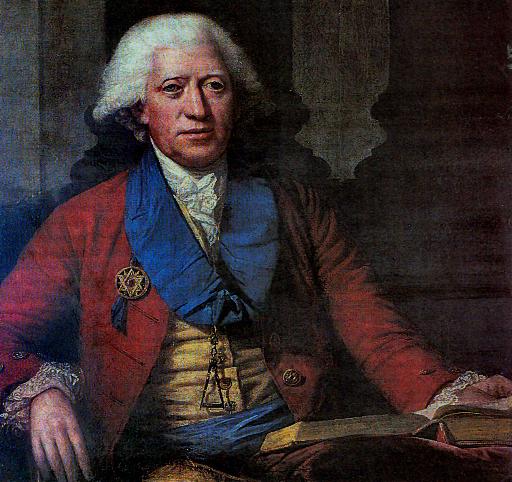
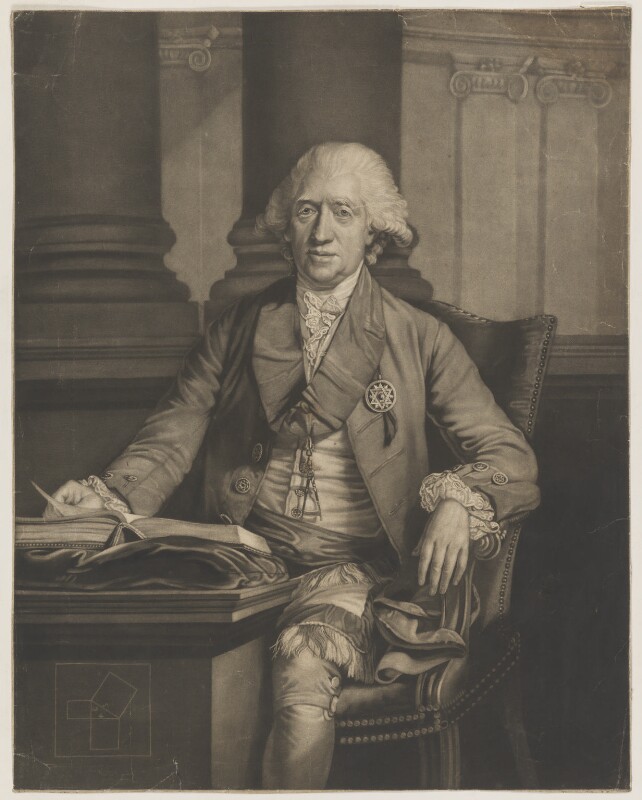
The life of Thomas Dunckerley was one of a major importance to the Craft. No other 18th century English Freemason occupied so many distinguished offices as he did. His story is an engaging reading that will also fill your mind with questions. Thomas ’s motto was “Fato non Merito” [1] and nothing summarises his life better than those words.
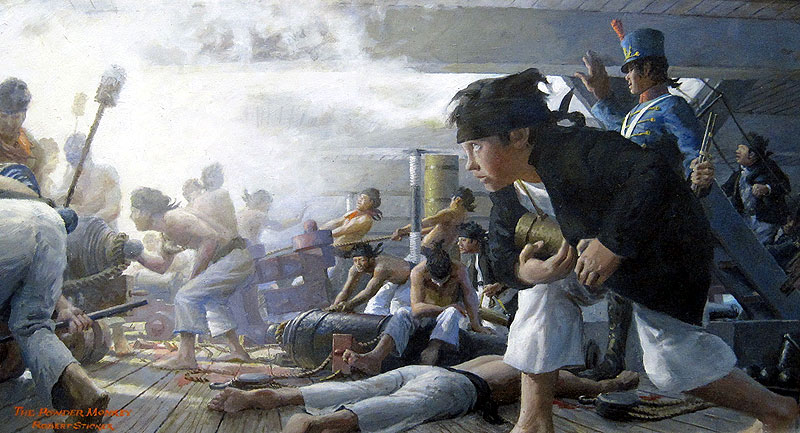
Thomas Dunckerley was born in London on 23 October 1724, the child of Mary Bolness, wife of Adam Dunckerley who became a porter at Somerset House. Although Mary’s husband deserted her when he found out she was carrying an illegitimate child, Mary was able to support – for reasons that will be disclosed to you later – Thomas’s private education at boarding school. That experience, however, proved an unhappy one for the child who, at the age of ten, decided to run away from the institution and never return. His grandmother took him under her mantle and cared for him until, still a child, he joined the Royal Navy’s “Boy Service“ as a “Powder monkey or “Nipper‟.
In the 18th century there were very many adolescent boys serving aboard British ships. Some of them were orphans or foundlings, others were just delinquent and troublesome juveniles. Although the Navy did not provide an apprenticeship leading up to an independent trade, it gave long-term employment to those who were fit and healthy. The Navy recruited from a wide spectrum of the society and even practiced impressment, a custom of forcing any men of age 18 and upwards to serve the Nation for a specific time and in situations of war, even against their will. Many such individuals and children stayed on and progressed through the ranks , reaching captaincy and receiving commissions . A few even ended their service as Admirals.
Geometry was a science that all ship gunners had to learn as it was used to calculate the correct inclination of a cannon in relation to the target and the speed of the ships in combat. By distinguishing himself in that task, Thomas became “Master Gunner” at only 24 years of age. However, he remained in that rank until he retired twenty-six years later. During his time in the Navy Thomas travelled extensively, taught Maths to his ship’s crew, engaged in many sea skirmishes and took part to the siege of Quebec[2] during the Seven Years’ war.
Throughout those years at sea, Thomas received much commendation and tokens of friendship from all the Officers under whom he served. However, merit and seniority were not the only elements required to secure a career; the influence of friends in prominent places was also a crucial factor and sadly Thomas had none.
THE ROYAL SEDUCTION STORY
In 1760, Mary Dunckerley had passed away and Thomas, on his return to London from Quebec, was to discover a story that put him in a new and extraordinary light. On her deathbed, Mary had confided to her neighbour that she became pregnant with Thomas as the result of a brief relationship with the Prince of Wales, the future King George II of England (in the portrait below).
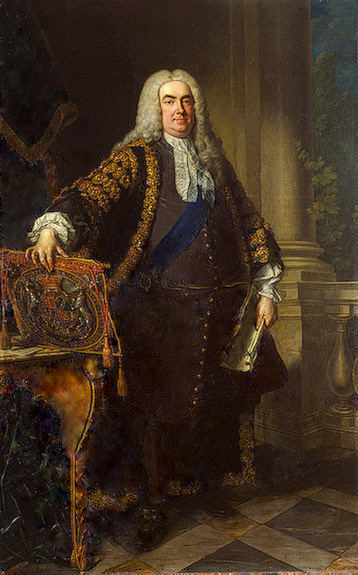
Mary Dunckerley was the daughter of a physician and she lived and worked in the household of the Right Hon. Robert Walpole – a subsequent Prime Minister of England – at Houghton Hall in Norfolk. Mary had gained a solid education, and it is realistic to assume that she was Lady Walpole’s personal assistant rather than one of her servants. The philandering German speaking Prince of Wales, had become fond of the Walpoles [3] and being a recurrent visitor to Houghton Hall, on one such visit he seduced Mary. Lady Walpole did not fail to notice what was taking place under her roof and swiftly moved to bring the embarrassing situation to an end. She schemed an expedient whereby she would find a husband for Mary and then despatched the married couple to live and work hundreds of miles away from Houghton Hall.
Lady Mary Walpole confided in her friend the Duke of Devonshire [4] whom recommended that the future consort of Mary should be an anonymous Adam Dunckerley. He summoned the young man at his Chatsworth House and kept him there until the terms of the arranged marriage were accepted. Clearly either Adam or Mary, if not both, must have had a few reservations. Perhaps their different social status and education played a part in the dithering. After the wedding the couple moved to London where Adam, in exchange for free accommodation, took up the post of porter at Somerset House. The trade of a porter in the early 18th century London entailed carrying wealthy and important individuals in sedan chairs – which provided protection from mud, snow, rain or sun – back and forth through the unpaved streets of London. Porters also loaded and offloaded luggage from horse carriages, cargo from river boats and so on. Theirs was a demanding job, but one that greatly contributed to the growth of the economy in the Capital.
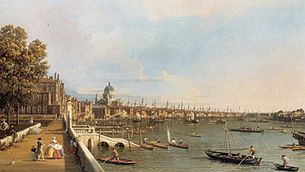
Somerset House (in the picture above) is a beautiful palace just off the Strand, famous worldwide for being immortalised in a painting by Canaletto. The architect Christopher Wren, whom some believe was a Freemason, refurbished it magnificently in 1685. A few decades later , however, the structure fell into disrepair and ceased offering adequate accommodation to foreign Royals, Aristocrats and diplomats. Instead, it provided simple lodgings in exchange for grace and favours.
When in November 1723 Adam Dunckerley left Somerset House to do some errands for the Duke of Derbyshire – he was absent for five months, until May 1724! – he left Mary with much idle time to occupy herself. With Christmas approaching, she set on visiting some of her friends and acquaintances. One of those cronies was Lady Margaret Ranelagh (1672-1728) who lived at 83-84 Pall Mall, London.
On her deathbed Mary confided to Ann Pinkney – the wife of another porter at Somerset House –that one day she went into the parlour of her host’s house and found the Prince of Wales whom she “had too well known” before her unhappy marriage. “At his request and for I could deny him nothing” – said Mary – “I stayed at the house for several more days during which time the Prince made five visits to me” and in one encounter made her pregnant! For the cuckold Adam Dunckerley, this proved too much to bear. He opted out of Mary’s life and disappeared from the records.
The events that followed seem to endorse the argument that Thomas truthfully had a royal “connection”. Proof of it is that the expecting Mary, whom under different circumstances would have been left to her destiny, was instead surrounded and tended for by people of status. The Royal Midwife Mrs Sydney Kennion, for example, assisted the child’s birth with the doctor to the Prince of Wales and to the Walpoles – Dr Richard Meade (1673-1754) [5] – in attendance.
Indeed after Thomas’s birth, the Prince of Wales gifted Mary with fifty pounds; enough money to buy a house in those times. Dunckerley recounts: “This information” – the affair with the Prince of Wales – “gave me great surprise and much uneasiness; and as I was obliged to return immediately to my duty on board the Vanguard, I made it known to no person at that time other than Captain Swanton. We were then bound a second time to Quebec, and Captain Swanton promised that on our return he would try to have me introduced to the King, and that he would give me a character reference; but when we came back to England the King (George II) was dead.”
Thomas’ grandmother had been a nurse to Sir Edward Walpole – son of Sir Robert Walpole, a Freemason – and Dunckerley had been hoping in vain that such a connection would have helped him rise in the Navy‘s ranks. But now – it was the year 1760 – Thomas realised that in the light of his mother’s revelations, he could play the ace card of claiming to be a royal bastard and obtain “employment in any department that is adequate to my (…) abilities and which would not depress me beneath the character of a Gentleman”.
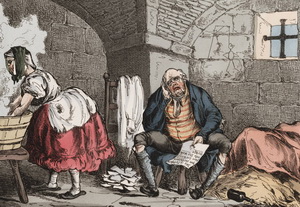
By the end of 1763, the year he had retired from the Navy, Thomas had accumulated debts of £150, a sizeable amount of money that he had no hope on earth of repaying in his life. He was drawing a very good pension from the Navy but he was spending it all on medical bills for his sick daughter and his son [8] who needed to be repeatedly bailed out from his gambling liabilities. With the certainty of ending his days in the debtors’ prison, Thomas made a runner.
In 1764 he signed on as a crew member of the HMS Guadeloupe and sailed away to avoid arrest and imprisonment. On board with him was Lord William Gordon, a fellow Freemason who kept good guard on him. Having become ill with the scurvy, Thomas disembarked at Marseilles and underwent treatment at the home of none other than England’s ambassador in town. When he was restored to a good health, Thomas travelled to Paris to rejoin Lord Gordon who gave him £200.00 and dispatched him back to England to clear all his liabilities.
But money never changes hands without good reason!
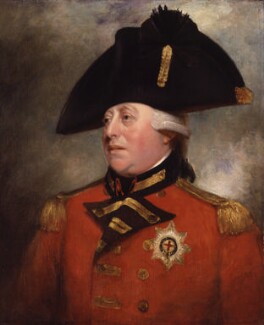
Only after the death of Thomas’s alleged royal parent in 1766, Thomas’s claim was brought to the attention of the King. The newly crowned [6] George III (in the portrait above) was said to have been very impressed at the number of intimate information in Mary’s deathbed confession. He made enquires into Thomas Dunckerley’s character and being satisfied, he assigned him an annuity of £100 [7] and gave him the use of private apartments at Hampton Court Palace. He also allowed Dunckerley to bear a Coat of Arms that showed the motto “Fato non Merito” and to sign himself as “FitzGeorge” (son of George).
At the age of forty-six Thomas had at last achieved the prestige and economic security he had longed for.
MASONIC CAREER AND WORK
In contrast to his experience in the Navy, Dunckerley’s Masonic career proved glistening. Thomas was initiated into Freemasonry in 1757 and believed to have gone through the three degrees at the “Lodge of the Three Tuns N.31”, one of the Navy Lodges of Portsmouth which met at the pub with the same name. To substantiate that assumption is the fact that he ended his speech – called “The Light and Truth of Freemasonry Explained “ and delivered before the Lodges of Plymouth in 1757 – with words of apology for having boldly written about the subject whilst still very new to Freemasonry. Two years later he reaped his strong enthusiasm for the Craft by becoming the Grand Master of two Plymouth Lodges.
Thomas Dunckerley
In 1767, Dunckerley received the appointment to Prov. Grand Master of Hampshire and founded several naval Lodges in the County. That first Provincial rank appointment in Freemasonry was a token of true esteem by the Grand Lodge of England – particularly by its Royal Patrons the Prince of Wales (Grand Master of the Order),the Duke of Clarence (Patron of the Holy Royal Arch) and the Prince Edward (Patron of the Masonic Knights Templar Order).
Dunckerley also became the Pro Grand Master for the Masonic Provinces of Bristol, Dorset, Essex, Gloucester, Hereford, Somerset, Southampton & the Isle of Wight. He was also the Grand Superintendent for Kent, Nottingham, Surrey, Suffolk, Sussex and Warwick and the most eminent Grand Master of The Knights of Rose Crucis, Templar, Kadosh and he received the appointment to Past Senior Grand Warden.
However, of far more importance in the Craft was the office that Dunckerley occupied as an instructor of Masonic Lodges and a reformer of Freemasonry. The Grand Lodge of England had in fact authorised him to revise the existing ritual which resulted in Thomas’s removal of part of the third degree ritual and assigning it to the Royal Arch instead. In September 1769, Dunckerley introduced the Mark Mason Degree. Nobody is certain of where he got the idea, but we know that he conferred it for the first time to the Brethren of the Portsmouth Royal Arch Chapter of Friendship No 257. It is also interesting to note that initially there was a “Mark Man” Degree given to Fellow Crafts and a “Mark Master” Degree conferred on Master Masons.
About a hundred years later, the Grand Lodge of England backed off from its initial recognition of Mark Masonry and the Mark could no longer be worked in a Craft Lodge. The Grand Lodge of Mark Master Masons was hence constituted, turning Mark Masonry into a separate and independent Masonic body.
Dunckerley also introduced new Masonic symbols such as the ‘Parallel Lines’ – which represent the two Saint John – and ‘Jacob’s Ladder’. He wrote Masonic songs and hymns, many well-written letters and presented many Lectures.
HIS LATE LIFE
Thomas married young in life and to a much older woman; but the couple lived happily together and even had four children. When Thomas laid the foundation stone of a new Church at Southampton in 1792, he said that “if the structured had been finished by the time he had completed fifty years in wedlock, he should think himself justified in following the practice of some Nations he had travelled in, viz., that of keeping a jubilee year” and being remarried in that Church!
Thomas Dunckerley was a very generous Brother and he continued to give frequent Masonic and social events even when he lived at Hampton Court. He attended public meetings and festivals of the Craft and helped the poor fellows whenever he could. But such benevolence and the regular expenses he incurred for attending all the events of his many Provinces, were costly and caused Dunckerley to effectively lead a poor life.
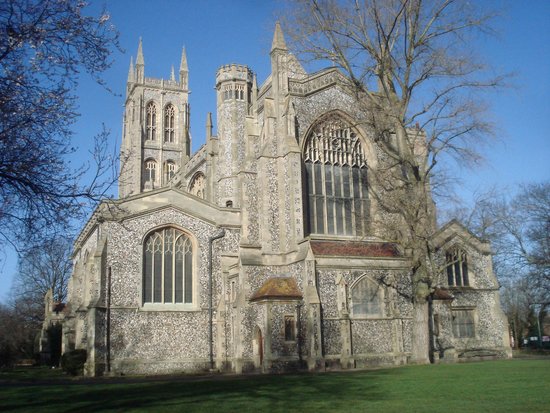
Dunckerley died in Portsmouth at 71 years of age, in 1795. He had expressed a wish of being buried in the Templars’s Church, London, but was instead laid to rest in St Mary’s Parish Church (shown in the photo above) , Portsea, Portsmouth, in an unmarked grave. An arrangement that speaks volumes!
CONCLUSIONS
Thomas did not show any desire for a classical education and run away from college when he was 10 years old. The excellent proficiency in Maths that he showed later in life, does not compensate for an intellectual education that was never installed onto him. He served in the Navy for twenty-six years – a third of his lifetime! – yet he rose no higher than Master Gunner. He also fell into debt and dishonorably fled the Country. He regained his integrity and avoided imprisonment only thanks to a substantial financial donation – but I suspect we should call it a “lifetime loan” or a bounty – from a Brother Freemason if not from the Grand Lodge of England itself!
How do we otherwise explain that a person with such a background and limited education progressed so significantly in the Craft’s hierarchy, composed Masonic songs, delivered eminent lectures, inspected [9] revised and reformed Freemasonry and even introduced the new Order of Mark Masonry. And he did all that just on his own merit? Why was his body not laid to rest with the reverence and respect that royal blood require?
Susan Sommers is a historian and a recent biographer of Dunckerley, in her article published in the Masonic magazine “The Square” [10] inspirationally states that the 18th century, with its Enlightenment, military wars and civil unrest, was a time of rapid changes which provided the perfect conditions for some men to leave their inglorious, murky or boring past behind and reinvent themselves.
I feel this might be just what Dunckerley did.
Back home and into a civilian life after twenty-six years spent at sea, Thomas stared at financial ruin. What saved him were his human qualities. He was an intelligent, articulate, affable, caring, generous and gregarious individual who got on with everybody. But above all he was a Freemason with a canny physical resemblance to King George II, and with a captivating story that took him out of an anonymous life and gave him the status of a gentleman.
Having escaped incarceration, Thomas very determinedly dedicated the later part of his existence, to the service and glory of Freemasonry. He took on endless work and responsibilities, he entertained, revised, developed and changed all things Masonic.
As the illegitimate child of an English Monarch and a person gifted with noble looks and deportment, Thomas Dunckerley fitted perfectly the profile of a faithful agent for the mysterious and political designs of the 18th century English Freemasonry.And no matter what status he attained later in life, I believe his true worthiness remains shrouded by a thick veil of fabrication.
The author forbids any reproduction or publication of this article, in full or in part, without his explicit authorisation.
[2] It saw the British snatching the Province of Quebec in Canada from the French in 1759
[3] In his role of King , George II relied more and more on the political dexterity of Lord Walpole to govern his realm
[4] William Cavendish, the IV Duke of Devonshire (1720-1764). Duke of Devonshire was just the name of the Title. The Cavendishes were not the Duke of the County of Devon.
[5] Member of the Royal Society of Physician and a Freemason
[8] He was reported to have died in a cellar in St Giles’s prison
[9] In 1760 he received a commission “to inspect the Craft wheresoever he might go”
[10] Thomas Dunckerley – A Masonic hero and/or imposter ? “The Square” – Sept 2013
SOURCES

"History of the Mark Degree" by the E. Lancashire Prov. Grand Lodge

“Thomas Dunckerley and English Freemasonry” by Susan Mitchell Sommers

“The late Brother Thomas Dunckerley” – The Freemasons’ Quarterly Review, March 1842

“Who was Thomas Dunckerley” by WBro. Bro Ken White, Lodge Gosforth, August 1999

“WBro. Dunckerley” – by Edgar W Fentum
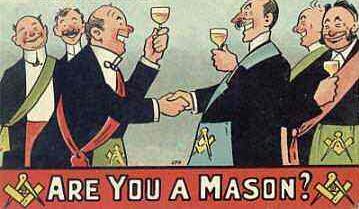
How can one distinguish a Freemason from other men ?
By his true character, of course !
The real Freemason is distinguished from the rest of mankind by the unrestrained rectitude of his conduct.
Other men are honest in fear of the punishment that the Law might inflict; they are religious in expectation of being rewarded or in dread of the consequences in the next world. A Freemason would be a just man even if there were no laws, whether human or divine !
A Freemason is and remains the same under every climate, under every system of Religion.
He kneels before the throne of God in gratitude for the blessings he has received and in humble solicitations for his future protection. He venerates the good men of all religions; he disturbs not the religion of other men. He restrains his passions because they cannot be indulged without injuring his neighbor or himself. He gives no offense because he does not choose to be offended.
A Freemason is honest upon principle !
Source

The Farmers Almanac  (1823 edition) Andover, Massachusetts.
Masonic Etiquette is very much an unpublished as well as an unspoken code of behaviour and therefore it can only be learnt in time or through observation.
But in general it is expected that a Freemason exhibits ,at the very least and from his initiation, a decorum that is appropriate in polite societies, before s0meone should have to explain his errors.
The Master in charge of his Lodge for the terms of 12 months is the most powerful of the member as he has the authority to:
rule any Brother who is out of order on any subject and at anytime.
decide on what can and cannot be discussed.
if a Brother insists on speaking after the Master has ruled that he is out of order, he may be committing a Masonic offence
Courteous brethren accept the requests made by the Master to serve in various committees as determined by the Lodge’s need
The following items are not Masonic official offences but a display a lack of Masonic etiquette. In other words they are considered to be “bad form” or “bad manners”
WALKING BETWEEN THE ALTAR AND THE WORSHIPFUL MASTER
As a courtesy to the Worshipful Master, Brethren are not allowed to pass between the Altar and the East when the Lodge is open. The “eternal light and wisdom” which the Worshipful Master represents in the Lodge room should never be put in the shadow, not even for a second, while a Degree work is taking place.
SITTING IN THE EAST
Brethren do not take a seat in the East without an invitation, even if all other seats are full. While in the tiled room all Brethren may be equal to one another, all lodge officers have studied and contributed hard to be in their offices. It is the Worshipful Master’s prerogative to recognise their devotion and loyalty and therefore to honour them with an invite to sit in the East with him.
In other words: if you were in your centre of cult and all available seats or places were full, would you go uninvited to sit beside the Priest, Rabbi, Imam etc ? Note that this rule will also apply to the sitting at the Festive Board.
ALWAYS FULLY DRESSED
Brethren do not enter the Lodge room without their apron already on. The formalities of the Lodge demand that a Brother should enter the Temple only fully dressed and ready for the labour. Therefore when you pass by the Tyler and enter the Lodge room, ensure that all is as it should be.
STAND WHEN YOU SPEAK
No one sits while speaking in the Lodge room, no matter if he addresses an officer or another Brother. While the Worshipful Master when elected gains no personal special honour, it is to the Worshipful Master that a member stands to address. It is just a form of respect!
If you wish to address the audience, you will stand so all may see who you are and request permission to speak from the Worshipful Master.
TALKING
Talking to the Brother sitting next to you while a degree is being worked is considered bad manner! The Lodge room is the Temple of the G.A.O.T.U., just like your Church or place of cult is of your God. Talking – even whispering! – without asking to do so shows irreverence for the proceedings. God’s house is not for social conversation but for worship and for learning the lessons of the day.
Unless of course you have requested the Worshipful Master’s permission to speak. Therefore if you have something of interest to say, raise your hand and when the Worshipful Master recognises you, stand up and salute.
To address the Brethren, you must begin with [1] : “Worshipful Master, Wardens and Brethren” ……
SPEAKING
If you wish to offer a motion or discuss a matter , advise the Worshipful Master, in private, before the Lodge is open. It is an important courtesy to him because the Worshipful Master may have plans for the meeting and your motion may not have the purpose or find the time to fit within the allotted timeframe. If you do not ask him , you may end up being publicly refused and appear to be a little arrogant or disagreeable.
OBEYING THE GAVEL
The gavel must be obeyed immediately. Failure to do so is a great discourtesy. The Worshipful Master is all powerful in the Lodge and his word is final. He can put or refuse a motion, he can rule any brother who is out of order on any subject and at any time. Only he can say what he will be permitted or not permitted to be discussed.
When and if a brother is rapped down he should obey at once, without any further discussion.
TURNING YOUR BACK
Never turn your back on the Master of the Lodge before you speak, unless he gives you permission to do so.
SALUTING
The salutation to the Worshipful Master shows your renewed pledge of fidelity and service. It is your public display of decorum before all the other brothers. It also shows your courteous, heart felt respect for all that the Master stands for and shows that you acknowledge his authority.
BALLOTTING
Never enter or leave the lodge at will during a ceremony. It is discourteous to do so during a degree work , a ballot ,a speech and so forth.
Only when the Master has put the lodge at ease and before he sounds the gavel, you may leave the lodge without being considered rude and after having asked the Master for permission. It is Masonic etiquette that all brethren are expected to vote when requested to do so. Failure to cast your vote may be interpreted as a failure to fulfil your duties and it is in direct disobedience of the Master’s request.
VOTING IS MANDATORY
When an issue is put to a vote, all brethren should vote. The brother, who does not do so, distorts the ballot. No matter what reason you may have for not wanting to vote, you injure the lodge’s ballot, its value and its secrecy by not doing so.
SMOKING
No smoking is allowed in a lodge room. The ceremony you take part in and watch is a solemn occasion.
SHOULDERING THE WORK
It is good Masonic etiquette to accept a request made in the name of the lodge if it is within your abilities. It means the lodge trusts you to fulfil such a request based on your competence.
CORRECTION OF ERRORS
No one, except for the Worshipful Master, may correct any mistake that may occur during the course of a ceremony, even when the error is a serious one. It is discourteous to point out ritual mistakes in front of the lodge brethren or even criticise a brother for them after the ceremony.
GOOD POSTURE
Lounging, leaning and slovenly attitudes should be avoided. Poor posture is considered poor Masonic etiquette.
NO PRACTICAL JOKES OR OFF-COLOUR STORIES
The great lessons taught by our ritual must never be demeaned. The lodge room is not a proper location for the telling practical jokes, pranks, horseplay nor for off-colour stories.
USE PROPER MASONIC NAMES
It is common courtesy to be accurate in mentioning a brother’s name and officers, members and visitors must be addressed by their correct Masonic titles.
ENTERING OR LEAVING THE LODGE AFTER THE MEETING HAS BEGUN
If a brother should enter the Lodge after the ceremony has open, he must step onto the carpet, salute the Worshipful Master and apologise to him. The same should be done if the brother has to leave the ceremony before time.
ALL PRAYERS AT THE LODGE FUNCTIONS ARE NON-SECTARIAL
Freemasonry holds no sectarian views. Freemasonry embraces all religions. A Freemason may choose the religion of his choice in his private life but should be aware and open to the fact that other brethren do not necessarily share nor were they brought up with the religion dogmas and beliefs that you, personally, embrace. Prayers at the lodge functions should be in keeping with Masonic teachings and never be an expression of specific sectarian or dogmatic creeds.
It is a matter of courtesy!
Therefore prayers are always directed to the Creator, to the G.A.O.T.U. and not to someone specific such as Jesus Christ, Mother Mary, Allah, Muhammad, Jehovah etc. We must always bear in mind the meaning of the tale of the construction of the Babel Tower : the reason our Creator has so many different names across the world is because when Man built the Tower taller and taller to glorify himself, God decided to punish him by changing his common language into the many idioms spoken on Earth.
TURN THE MOBILE PHONE OFF
All mobile phones must be turned off before entering the lodge room so as to not disrupt the proceedings.
— ### —
And last , but no least, a lodge which does not honour its Worshipful Master, no matter how the Brethren personally feel about the man himself, lacks Masonic courtesy !
[1] This is kept basic, as there may be other higher officers in the Lodge whom must be also address but each with its respective manner
The Italian magazine of esoteric and Masonic studies – “Il Laboratorio” [1] published in 2012 an article entitled : “Masonic Galateo – or the manner to best behave in a Masonic lodge”.
The original Galateo is a treaty on the rules of polite behaviour, written by Giovanni della Casa [2] and first published two years after his death in 1556. Della Casa described it as being a collection of “pleasant manners that (…) do not annoy any of the senses, nor the desires or the imagination of those with whom we live”.
Nowadays, more than the “senses and desires” the Galateo is concerned with topics like dressing code, table manners, gestures and speech that avoid offending others, because that is the very basic bargain required to live peacefully in communities.
Although written four centuries ago there can be no doubt that that treaty on acceptable behaviour will continue to be adopted by Society at large. It will of course change , evolve and adapt but it will never fall in disuse. Who would have thought , for example, fifty or so years ago that we would now all be going about our daily life with a mobile phone in our pocket on which to depend for almost everything and that we might at times forget to switch that gadget off when inside a Masonic Lodge ?
I am sure you will concur with me in saying that our Order enlists some of the best minds around and that amongst us there are individuals who are gifted with the ability of memorising and reciting to perfection any of the three degrees, whichever office they may occupy on the day. And yet (!) some of them may be oblivious, forgetful or ignorant of how to behave without being considered disrespectful.
For example, whilst the cacophony of sounds sometimes heard in the Temple antechamber – where the Brethren meet and dress themselves with the aprons and collars of their respective offices – can be forgiven as being a display of joy at meeting old friends and lodge Brethren, those that are made inside the Temple infringe the holiness of the place and are difficult to dismiss. The Brethren must never be sitting with their legs fully stretched on the chequered carpet. They must not be sitting with their arms crossed or extended to rest on their neighbouring chair in a casual sort of posture. Instead, the sitting posture called “of the pharaoh” should be assumed and maintained throughout the ceremony. Mobile phone texting, chatting with your neighbour or nodding off are considered misbehaviour even in a common boardroom let alone the place of worship of the G.A.T.U.
Paolo Nardi , the author of the article in the “Il Laboratorio” magazine, tells us that not so long ago at the end of every meeting he would see the Worshipful Master of a lodge take an Initiate, Fellow Craft or even a Master Mason to one side and point out to him the sort of behaviour, gesture or verbal expression, that was not acceptable of him and suggested how to behave in the future. It was a wise, gentle manner to help the Brother grow and mature. EAF, FC and MM must learn to observe the formal requirements that govern the behaviour in a polite Society as well as in a Masonic lodge. But against those who do not comply how many Lodge Masters, Past Masters or Directors of Ceremony display their dissatisfaction ?
But to return to our subject and close this paper, I should note that most of the Masonic etiquette rules are already quoted in our Ritual book albeit veiled in a language that is initially difficult , particularly for the initiate, to grasp let alone to remember. The importance of mentoring the journey to occupying the chair of Solomon and beyond , is therefore all the more of paramount importance.
There are several books that cover this subject in depth and they can be bought from dedicated Masonic retailers like Allan Publishing Ltd or even found stacked on a shelf or two at the “Letchworth’s” shop inside Grand Lodge in Holborn, London. But for the impatient reader a good list of rules on Masonic etiquette is published here: http://www.masonic-lodge-of-education.com/masonic-etiquette.html
Have a good read.
I wish all of you Freemasons, a good Masonic new season !
Aldo Reno
[1] It translates: “The Laboratory” . Issue 2014 n. 1-2 – Grande Oriente d’Italia – Collegio Circoscrizionale dei Maestri Venerabili della Toscana
[2] 1503-1556 , Born in Borgo San Lorenzo, a small town north of Florence. He became the Archbishop of Benevento the Papal Nuncio to Venice
Our present times being so remarked by international tensions , Brexit, the strive towards a United States of Europe and by citizens from most world Nations affording to travel freely and extensively – even from an early age in their life – the issue of a Foreigner joining our Order is very current.
The following address to a foreign Initiate can be found in the 1798 edition of the Book of Constitution and a similar passage was even present in the discourse made in Paris by the Chevalier de Ramsay in 1723. It so rings true now as it did then.
Being a foreigner myself – though I spent the greatest part of my life in England more than I lived in that noble Country of my birth – I comprehend and strongly share the meaning of such an address. I profoundly feel its teaching and just love to read it!
Here it is for your enjoyment and…meditation.
"You Brother, the native and subject of another Nation, by entering into our Order, have connected yourself by sacred and affectionate ties, with (hundreds of) thousands of Masons in this and other Countries.Ever recollect that the Order you have entered into, bids you always to look upon the world as ONE GREAT REPUBLIC of which every Nation is a family and every particular person a child.When therefore you return and settle in your own Country, take care that the progress of friendship be not confined to the narrow circle of national connections or particular Religions; but let it be universal and extend it to every branch of the human race.At the same time, remember that besides the common ties of humanity, you have at this time entered into obligations which engage you to friendly and kind actions towards your Brother Mason, of whatever (social) station, Country or Religion (he might belong)"
Throughout the second half of the XVIII century a number of Masonic Congresses were held in Germany and France – including the two that the Philalethes[1] organised – which greatly influenced the process of assessment of Freemasonry. The more notable of those meetings was the Convent or Congress of Wilhelmsbad [2] started in 1782, which came about as a result of several others held in Jena, Altenburg, Kohlo, Brunswick and Wolfwenbuttel over a period of three years.
In general those Masonic assemblies can be categorised as :
Those that were held for the purpose of addressing administrative issues
Those that aimed at reasserting the dogma, reviewing the ritual and researching the history of the Order.
The scope of such an exercise was to put an end to the fights for the predominance of one current over another and instead encourage free discussions about the doctrine, the origins and development of the Order, the discovery and understanding of its symbols and words.
One of those currents battling for supremacy was the Neo Templarism which aimed at monopolising the Masonic Order for its political schemes. It had been imported in Europe from Scotland in 1737 by a character still now much talked about in the Masonic historiography : the Baron Andrew Michael de Ramsay[3], a presumed secret agent of the Great Pretender of the England throne – James Stuart. In contraposition to that current, were the mystical Philalethes who admirably mired to harmonically fuse the various schools of initiation around the Masonic Brotherhood.
There is much to write about the Masonic Congresses and their incidence in history and I intend to enlarge on the subject in a future paper. But for now suffice to say:
a) That the course of action planned at Wilhelmsbad changed the face of Europe by bringing down the old social order.
b) That the Philalethes Congress clipped the ambitions of Count Cagliostro, Grand Master of the Egyptian Rite, to unite all the Masonic Orders into a Universal Order: his own !
In speculative Freemasonry the Apron represents the badge of innocence and the bond of friendship. But for our ancestors , the operatives masons, the apron was just a garment worn to protect their clothes while at work. To that purpose the flap of the Apron was positioned upwards particularly in the case of the Apprentice to whom we may suppose were given the dirtier jobs.
But let’s set aside the question of what caused this tradition from not being regularly followed anymore and concentrate, briefly , on what the Apron really signifies.
That the Apron is the badge of innocence is a clear reference to the story of Hiram Habiff’s death that is so colourfully and scenically illustrated in the 3rd degree. The bond of friendship, instead, is a reminder of the oath of brotherly love and truth that the initiate undertakes when entering the Order.
But there are other and more in-depth interpretations of the Apron which span from the mathematical to the intellectual.
The explanation of the Apron that I am going to bring to your attention is one that is captivating and which I totally agree with. It was put forward in a bygone Masonic publication quite a long time ago and here it is again for your enjoyment and instruction.

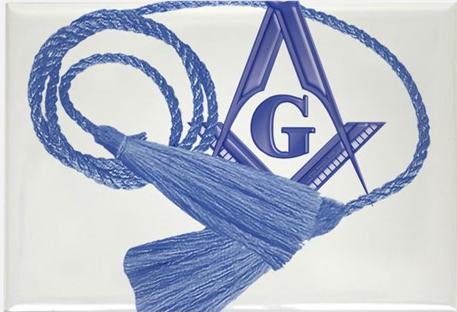
 his/her mother at birth. Just as the physical cord, when cut, is replaced by a tie of love between mother and child, so, in one of the most impressive moments of initiation, the cable-tow is removed, because the Brother, by his oath at the Altar of Obligation, is bound by a tie stronger than any physical cable.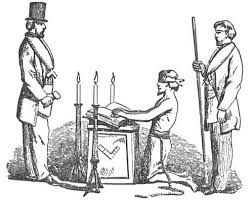
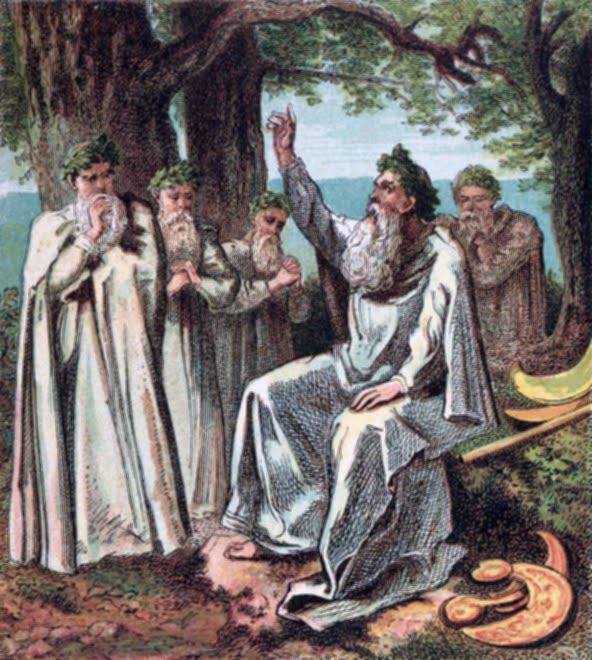 Los sacerdotes de Egipto eran los profesores y maestros de la ciencia, y fueron nombrados sacerdotes de Heliópolis, es decir, de la Ciudad del Sol. Los druidas en Europa, que eran del mismo orden que los hombres, tienen su nombre del teutón o antiguo idioma alemán; el alemán que antiguamente se llamaba Teutones. La palabra Druid significa un hombre sabio.
 delivered an historical address in a French Lodge in Paris, in the course of which he explained that the Masonic Brotherhood arose in Palestine during the period of the Crusades, under the protection of Christian Knights, with the object of restoring Christian Churches which had been destroyed by Saracens in the Holy Land.
 and the Siege of Vienna had invested the annals of the St. John Knighthood with a great light of valour. But this was little in comparison with the attraction which, for some reason, attached to the Templar name and was magnified when the proposition arose that the great chivalry had continued to exist in secret from the days of Philippe le Bel even to the second half of the eighteenth century. But of course there is no evidence of any Rite or Degree of Masonic Chivalry prior to 1737, the date of the discourse of Ramsay.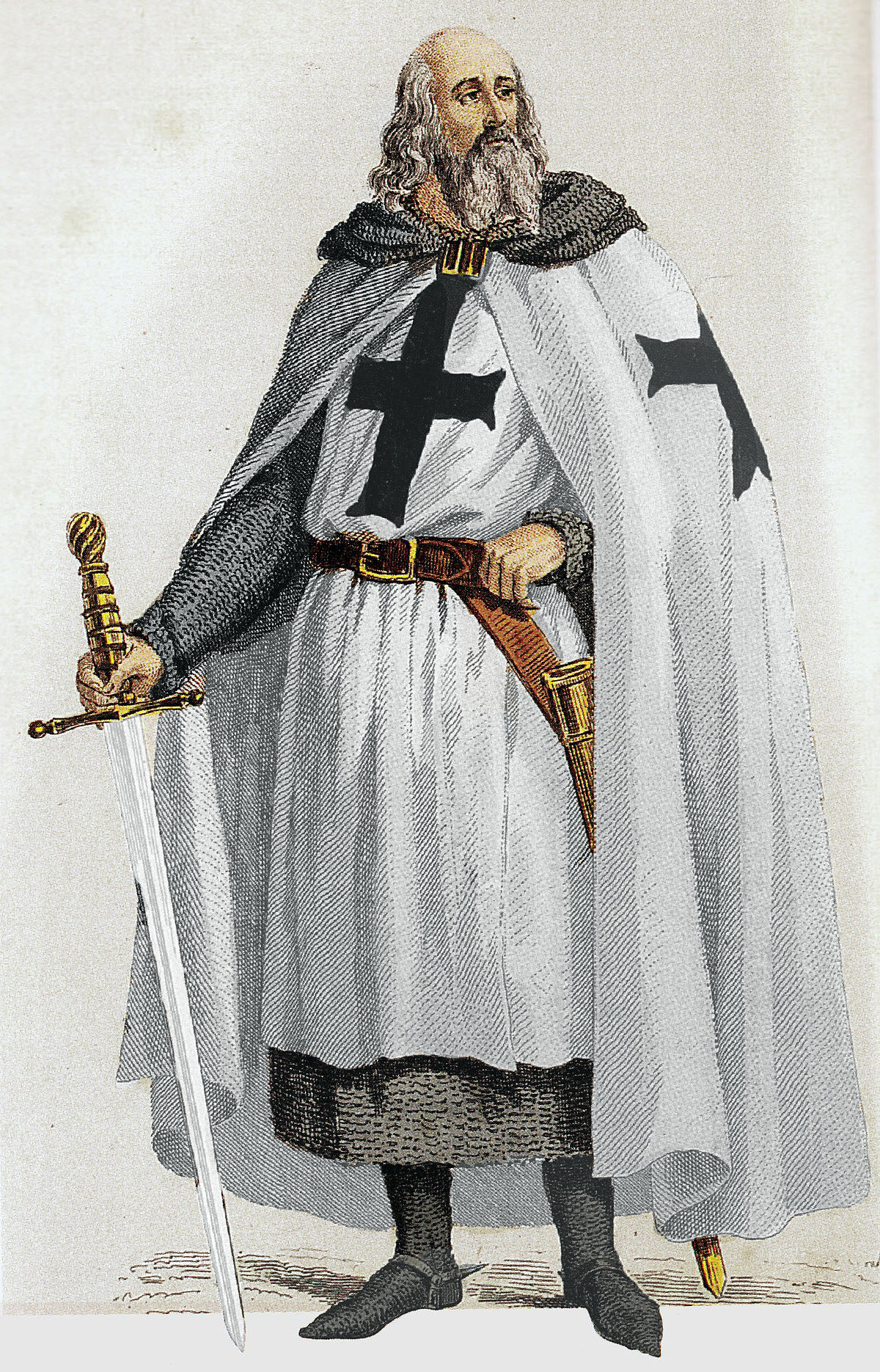
 Although the Navy did not provide an apprenticeship leading up to an independent trade, it gave long-term employment to those who were fit and healthy. The Navy recruited from a wide spectrum of the society and even practiced impressment, a custom of forcing any men of age 18 and upwards to serve the Nation for a specific time and in situations of war, even against their will. Many such individuals and children stayed on and progressed through the ranks , reaching captaincy and receiving commissions . A few even ended their service as Admirals.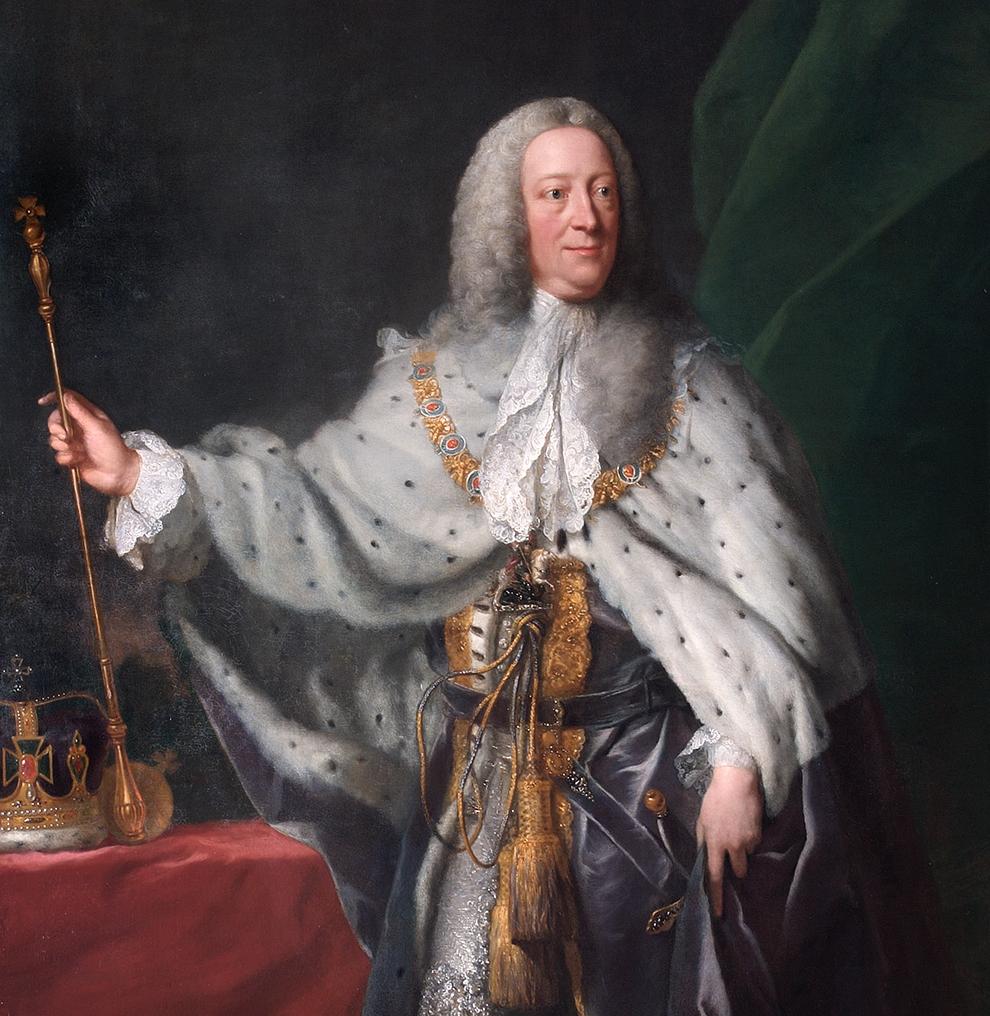
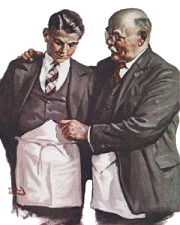 Other men are honest in fear of the punishment that the Law might inflict; they are religious in expectation of being rewarded or in dread of the consequences in the next world.
 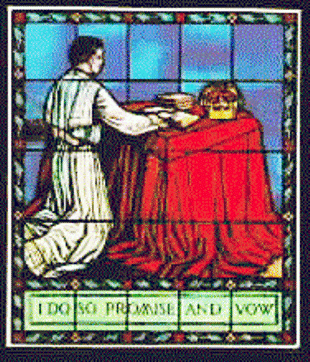 before the throne of God in gratitude for the blessings he has received and in humble solicitations for his future protection. He venerates the good men of all religions; he disturbs not the religion of other men. He restrains his passions because they cannot be indulged without injuring his neighbor or himself. He gives no offense because he does not choose to be offended.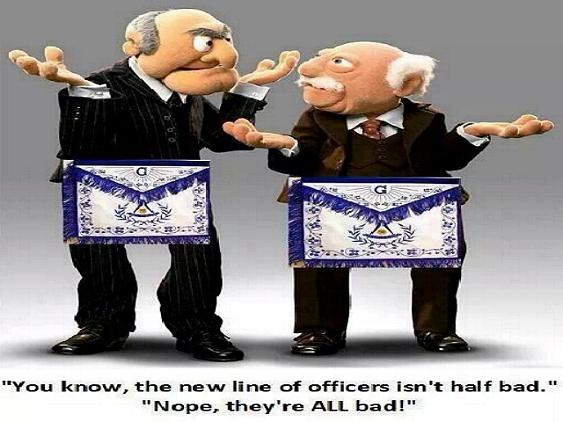
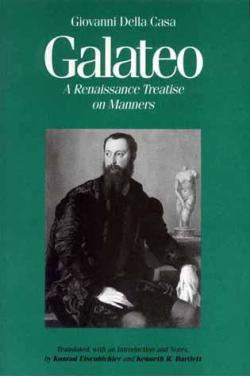 Della Casa described it as being a collection of “pleasant manners that (…) do not annoy any of the senses, nor the desires or the imagination of those with whom we live”.
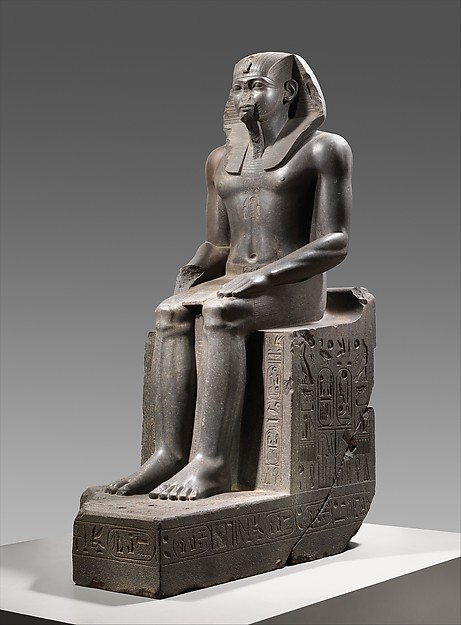 should be assumed and maintained throughout the ceremony. Mobile phone texting, chatting with your neighbour or nodding off are considered misbehaviour even in a common boardroom let alone the place of worship of the G.A.T.U.
 this subject in depth and they can be bought from dedicated Masonic retailers like Allan Publishing Ltd or even found stacked on a shelf or two at the “Letchworth’s” shop inside Grand Lodge in Holborn, London. But for the impatient reader a good list of rules on Masonic etiquette is published here: