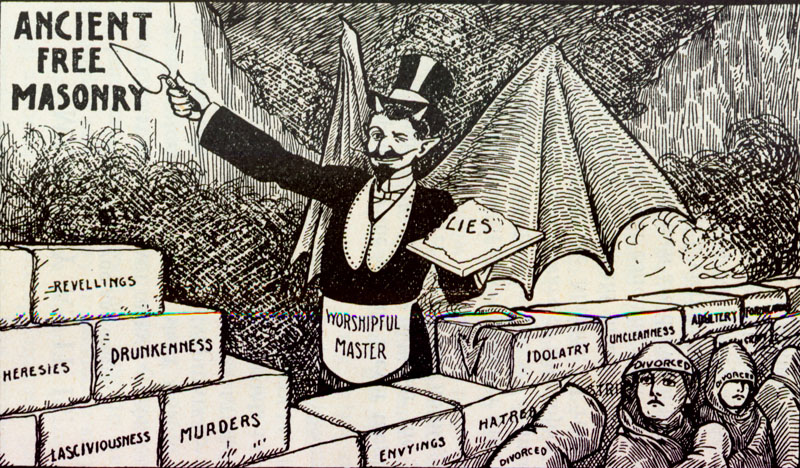
Anti-Masonry is not a new phenomenon: it has been going on almost since Freemasonry began.
‘The first published attack on Freemasonry was in a leaflet distributed in London in 1698 accusing Masons of being “this devilish set of men”, based on religious grounds. On 7 July 1722 a letter was published in a London newspaper accusing Masons of being a pretentious and illegal association and calling them “a set of low gentry among our artificers, who lately make a great bluster among us”.
The following year 1723 saw the publication of a naughty poem THE FREE MASONS, which suggested that Masons were notoriously heavy drinkers and sexual libertines, with a sordid reputation as far as women were concerned. It ran to a second and third edition. The full poem can be read in Wallace McLeod’s book The Grand Design. 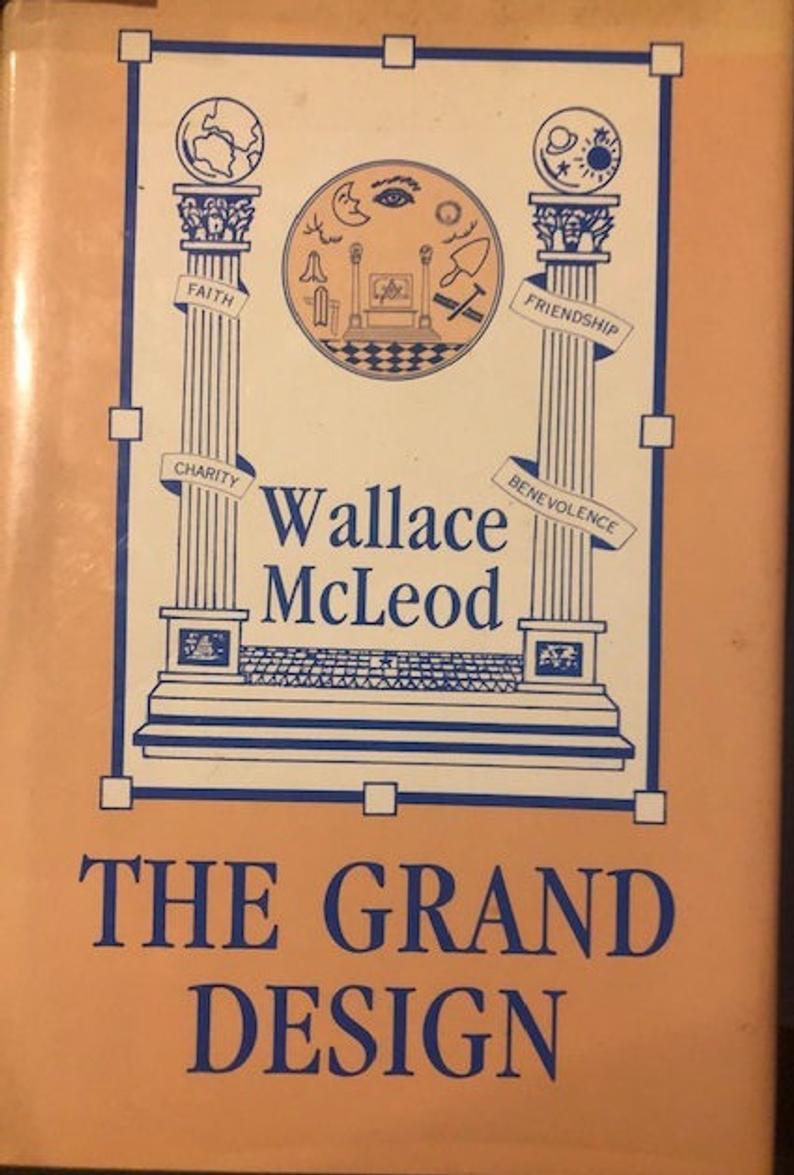 When it was published again in 1944 by those well known Masonic scholars Knoop, Jones and Hamer they printed only 158 out of 366 lines, stating that ”’we have omitted portions displeasing to modern tastes”.
In 1738 the Pope issued a Bull or Decree and forbade all Catholics to join Freemasonry, accusing it of ”perverting the hearts of the simple” and working against the Catholic Church. Some years later there was the ‘Morgan Affair‘ in the USA when Masons were accused of murdering William Morgan, who had threatened to publish all their rituals after he had been refused permission to enter a lodge in New York. He disappeared and although some unscrupulous politicians and the media made the most of the story, it was pure speculation. This affair created much anti-Masonic feeling and even led to the formation of an Anti-Masonic Party, which had a presidential candidate. The upshot was that
Morgan was never found and nobody was charged with his murder. He simply disappeared. But the damage had been done, which resulted in the number of lodges falling from 480 to 82 in a three year period. Many lodges, particularly on the east coast, closed, never to open again and it took Freemasonry many years to recover from the scandal.
One of the worst periods of anti-Masonry in the 1800s was when a French pornographer, Leo Taxil, decided to turn against Masonry when his true
character was discovered after he had been initiated into a lodge in Paris and then expelled. He published several anti-Masonic books and was the darling of the Catholic Church until he revealed at a public meeting in Paris in April 1897 that it had all been a hoax and he had conned the Church into supporting him. He escaped from the meeting with help of the police, but was not worried, for by then he had made a fortune and he retired to the South of France where he died at the age of 57.
During the twentieth century Freemasonry came under attack in several countries, not least in Germany prior to and during World War II. Under the Nazi regime, Freemasonry was banned and its members hunted down, beaten, imprisoned and sometimes killed. Masonic Temples were sacked and destroyed, the Temple in Jersey being a prime example. Propaganda against Freemasons and its alleged connection with Judaism was rife. In 1925 Mussolini passed an 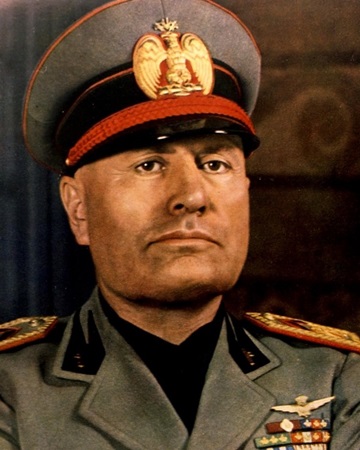 anti-Masonic law in Italy; Masonry was suppressed in Portugal in 1931 and in Spain by Franco in 1941. Romania followed in 1948 and Hungary in 1950. Sukarno banned it in Indonesia in the 1960s and it was banned in Pakistan in 1972. The Ayatollah Khomeini took action against Freemasonry in Iran in 1979. And so it goes on.
What is clear is that the type of regime that prohibits Freemasonry is usually a dictatorship of some sort. However, Freemasonry has since recovered in some of the countries mentioned, but not all.
In the 1990s Freemasonry in the USA suffered from scurrilous attacks by a faction within the Southern Baptist Church. They tried time and time again to have church’s members barred from membership of the Craft. They failed but their endevours crossed the Atlantic when much of their anti-Masonic literature was published over here and taken up by different churches. Interestingly whilst I was writing my paper on anti-Masonry I was able to buy several anti-Masonic books from the Christian bookshop situated under the Masonic Hall in Wigan, which was owned and rented out by the Masons.
The Presbyterian Church of Ireland voted at the General Assembly in 1992 to “disapprove of involvement in Freemasonry on the part of its members”. The same church in Scotland had done the same thing earlier in 1979. The Methodist Church in England had a go in 1986 and in the same year the Church of England also had a go at us somewhat inconclusively.
The former Local Government Management Board issued advice to Local Authorities requiring applicants to declare if they were a Freemason or not. This was clear discrimination and it took several years to remove.
 Chris Mullen MP famously tried to introduce a Register of Freemasons in the Police and Judiciary in 1998. This failed and he admitted eventually that he had only read one book on Freemasonry, the infamous Inside the Brotherhood , a book that frankly was so untrue as to be almost a joke.
Finally, some years ago Grand Lodge changed its policy towards anti-Masonry. Instead of being silent about attacks, now whenever somebody ‘has a go’ we respond vigorously and this has paid off and the image of Freemasonry is improving for the better day by day.
To end, I leave you with this thought: the surest guarantee of our freedom from criticism is the integrity of individual Freemasons themselves.
A 5 Minute Talk
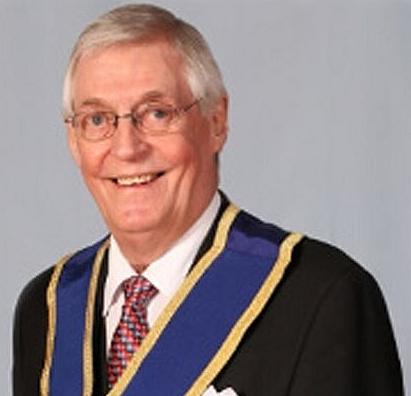
Bro. Fred Lomax
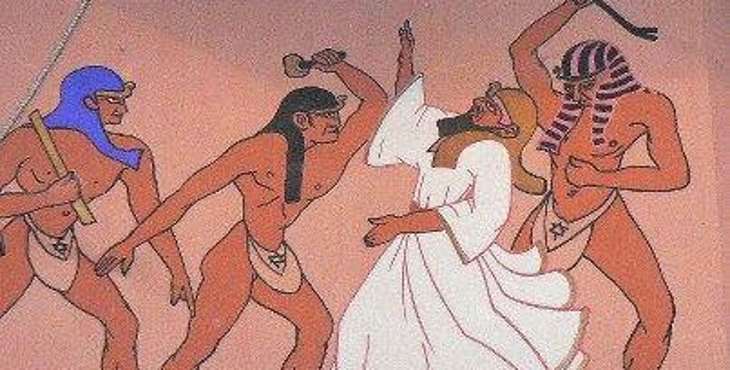 um monte de terra que parecia cobrir um cadáver, e terra recentemente removida; plantaram ali um ramo de Acácia para reconhecer o local. Conforme uma terceira versão, a Acácia teria brotado do corpo do Resp.‘. M.‘. morto, anunciando a ressurreição de Hiram.
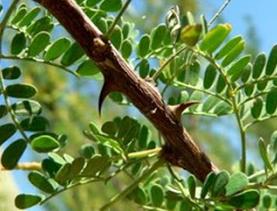 No texto original grego do Novo Testamento o termo usado é akanqwn (akanthon), que foi traduzido ao português tanto como Acácia ou como acanto, e que também pode significar espinho, espinhoso, etc. Esta palavra grega aparece em várias passagens da Bíblia mencionando a coroa de espinhos e também a árvore conhecida como shittah. A coroa de Acácia espinhosa na cabeça de Jesus é símbolo de sabedoria. Mas como devemos interpretar o gesto dos soldados romanos quando coroam Jesus com espinhos?
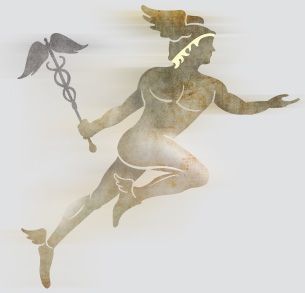 celebre “Ramo Dourado”, dos antigos mistérios. Trata-se, efetivamente, da Acácia Mimosa, cujas flores se parecem pequenas bolas de ouro. É a planta de que fala a fábula de Osíris e o Rito Maçônico do Grau de Mestre. Essa planta teria florescido sobre o túmulo do deus, o iniciado, morto por Tifão e que era para fazer reconhece-lo.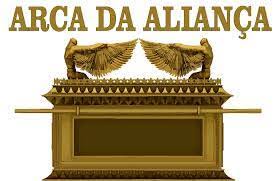
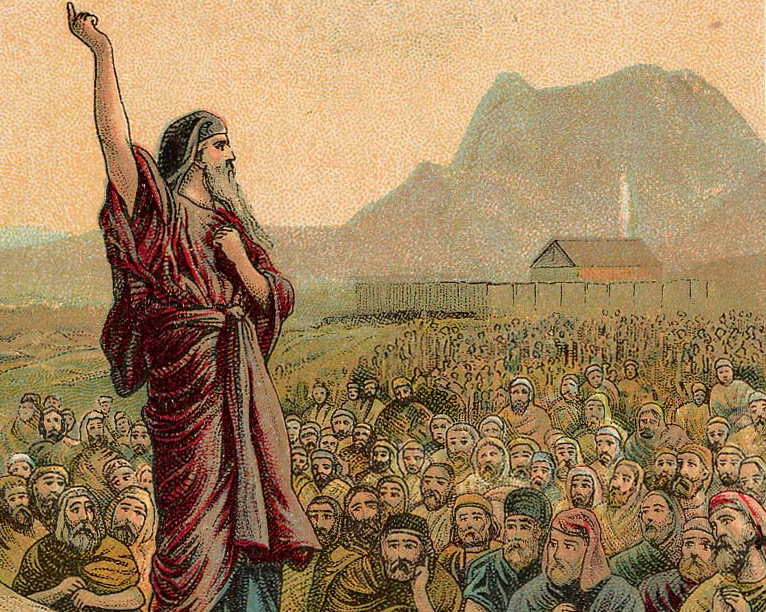
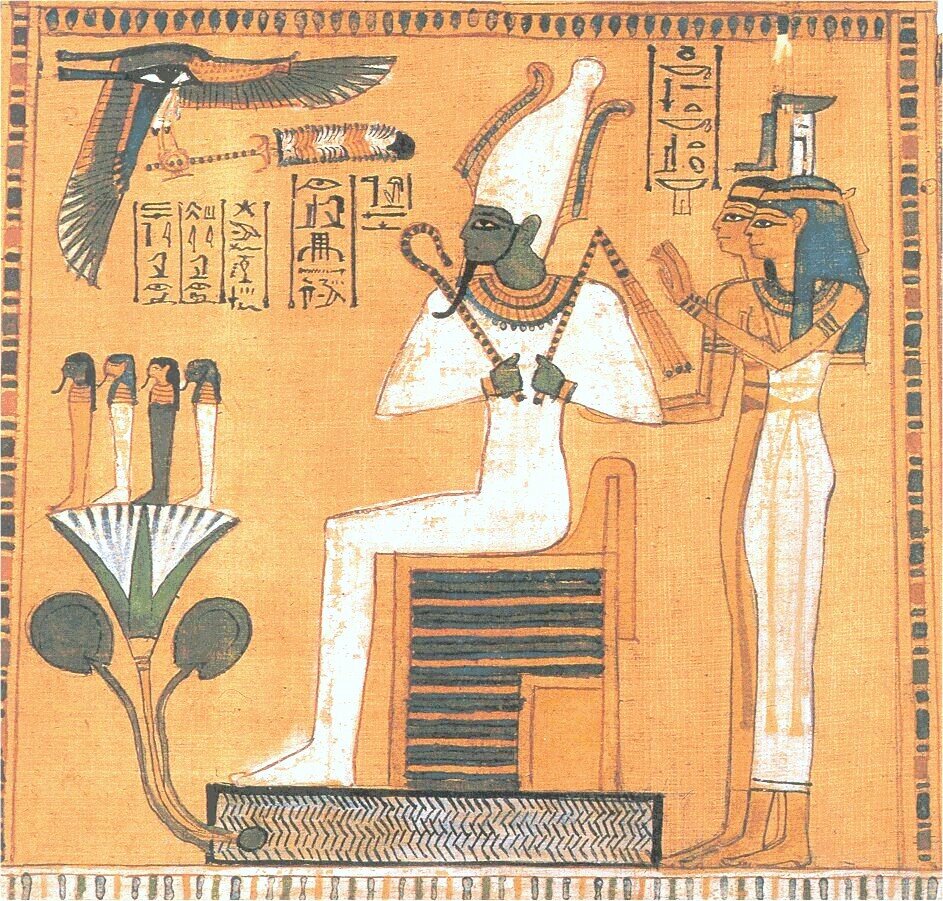 Osíris, num caixão de Acácia; Imortalidade, Ressurreição (renovação, metamorfose) de Osíris, Hiram e Jesus; Iniciação, pois a Imortalidade é o apanágio dos adeptos e Iniciados; Inocência, pois os espinhos representam aqueles que não se deixam tocar por mão impuras. Sendo da família da “mimosa” , como a planta “sensitiva”, fecha as folhas ao serem tocadas. Akakia (em grego) quer dizer sem maldade ou malícia. Quando O Maç.‘. diz que a A.‘. M.‘. é C.‘., significa que conhece a imortalidade da alma.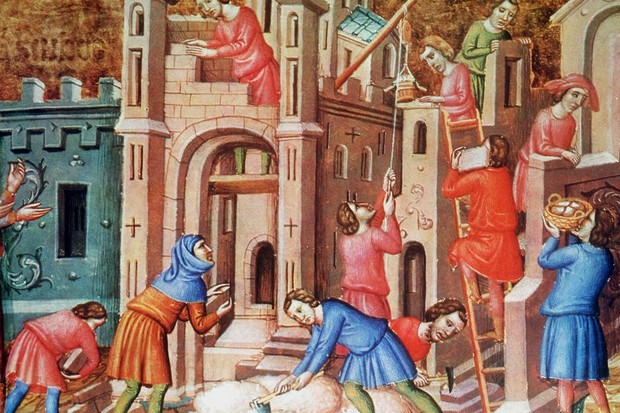
 This point is first among these, because
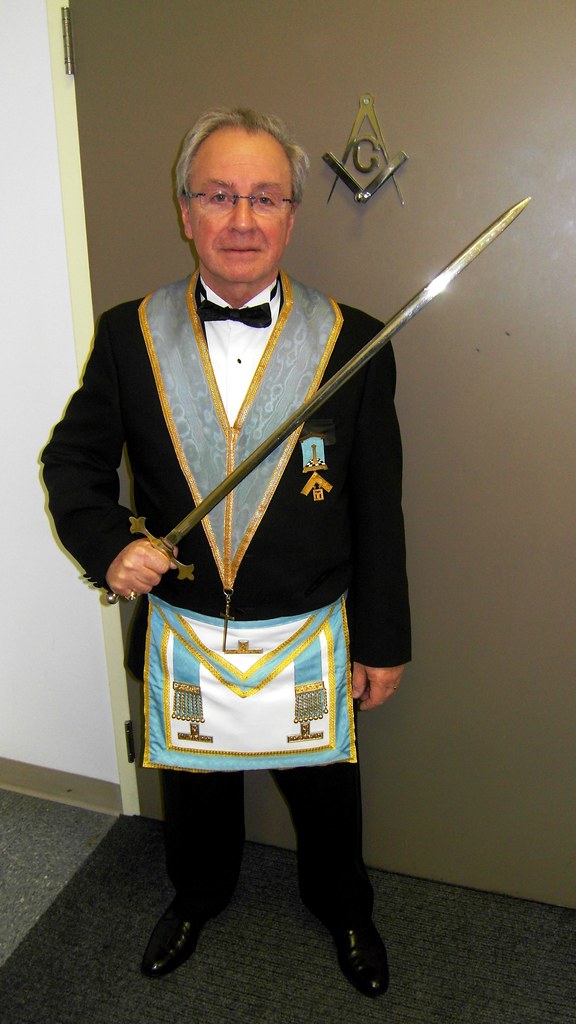 achieved, the new Master concentrates on investing his Principal and Assistant Officers with the collar and tools of their Station. The Tyler is among those Officers and his place is outside the door of the Lodge because, as his title implies, he has “to tile” i.e. to cover, protect and conceal. The Master will invest him by reciting these words: “
 But the changes in style and technique that the art of construction has undergone through the course of the centuries, have rendered this now nigh improbable. We have in consequence come to identify the eavesdropper as that individual who stands by the door of a chamber or leans onto a partition wall, to carry out his [1] devious design. Yet this was just the kind of sneaky work that centuries ago defined the Cowan! His description reads: “
 great disquiet of many
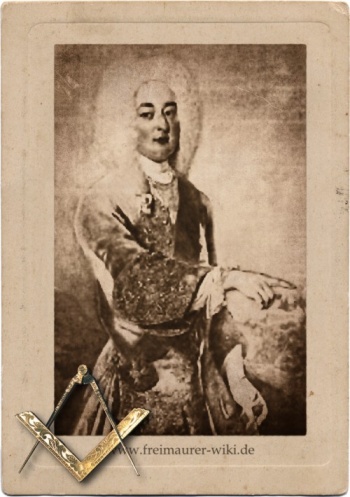 Albrecht Wolfgangs Mutter, Johanna Sophie von Hohenlohe-Langenburg, trennte sich 1702 dauerhaft von ihrem Mann, Graf Friedrich Christian von Schaumburg-Lippe, und lebte unter schwierigen Verhältnissen mit ihren beiden Söhnen Albrecht Wolfgang und Friedrich an verschiedenen Fürstenhöfen, u.a. in Hannover am Hofe des Kurfürsten Ernst August und seiner Frau Sophie.
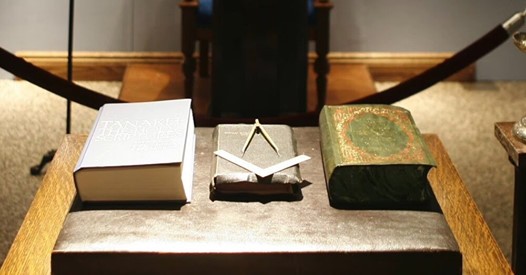
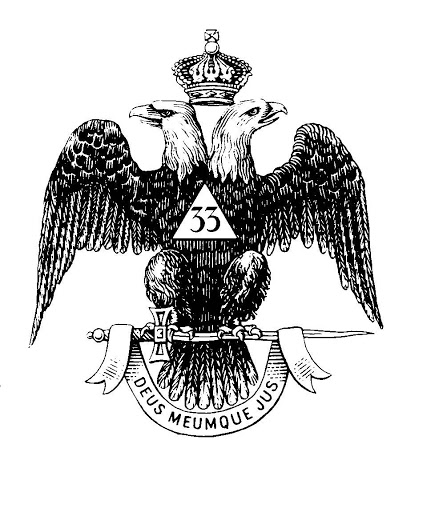
 muchos de los grados siguen el ritual del Consejo de la Madre en la forma, algunas de las ceremonias son completamente diferentes. Los títulos de Rito escocés generalmente son, y siempre deben ser, cuando sea posible, puestos en tierra de disfraces por moldes cuidadosamente entrenados. Muchas de las ceremonias son muy elaboradas y requieren un pequeño ejército de trabajadores; cuando están bien hechos, atraen a hermanos de muchas millas de distancia. De hecho, son tan difíciles algunas de las ceremonias, y tan extensas las instalaciones y la preparación requeridas, que muchas se ven una o dos veces al año, y solo en algunos centros en cualquier estado. De esto ha surgido esa costumbre que los masones del rito escocés conocen como la “Reunión“: una reunión de albañiles del rito escocés de todo el estado para ver y tomar parte en los títulos otorgados a una “clase”; tales Reuniones no rara vez duran una semana. No todos los Cuerpos del Rito presentaron todos los grados en ninguna Reunión.
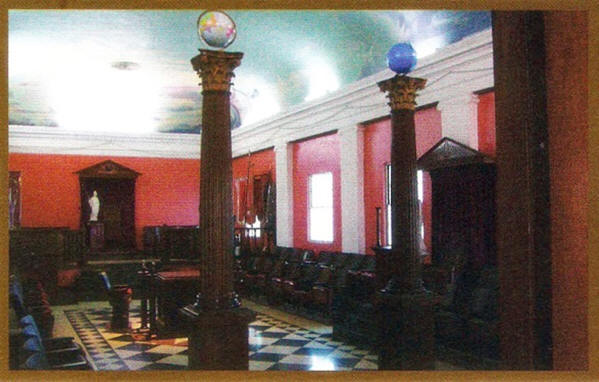 Grado Sublime son respondidas con solemnidad y reverencia. Más tarde, se abordan asuntos totalmente nuevos para los Maestros Masones, y se ofrece una gran cantidad de filosofía, religión y conocimiento para el postulante. Los grados cuarto a trigésimo segundo del Rito escocés, hermosos e inspiradores como son, no deberían ser, como a menudo lo son, “Grados más altos” que connotan una elevación, una superioridad, en los primeros tres grados. ‘Solo soy un Mason de la Logia Azul, nunca subí más”, ¡con qué frecuencia se hace esa declaración semiapológica! Las más grandes autoridades en el Rito escocés son enfáticas en la afirmación de que ni Rite ni ningún otro pueden hacer a un hombre más Masón de lo que se convierte en la Logia Azul. Los títulos pueden, y con frecuencia lo hacen, ser un major Masón, así como el trabajo requerido para obtener un título universitario puede, y a menudo lo hace, hacer que un hombre sea mejor, pero no más ciudadano de lo que era antes de pasar a la universidad. Los grados del Rito escocés son numéricamente mayores que el primero, el segundo y el tercero, pero no son “más altos”.