
Category: Uncategorized
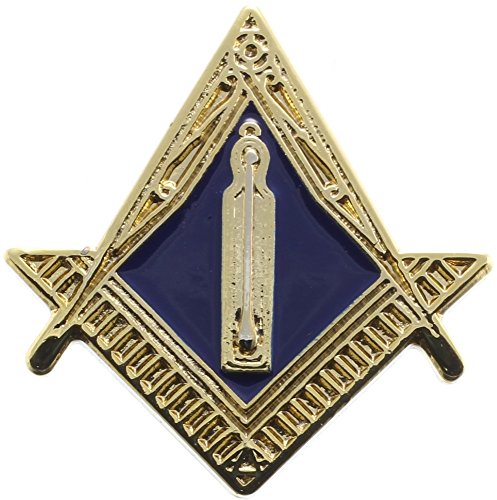
The Masonic Plumb
Build up your life like the temple of old,
With stones that are polished and true.

Cement it with love, and adorn it with gold,
As all Master builders should do.

Upon a foundation, well chosen and strong,
Build now for the ages to come.

Make use of the good, while rejecting the wrong,
And test all your work with the Plumb.
By Bro. Neal A. McCauley (From The Builder, Anamosa, Iowa, August, 1915)
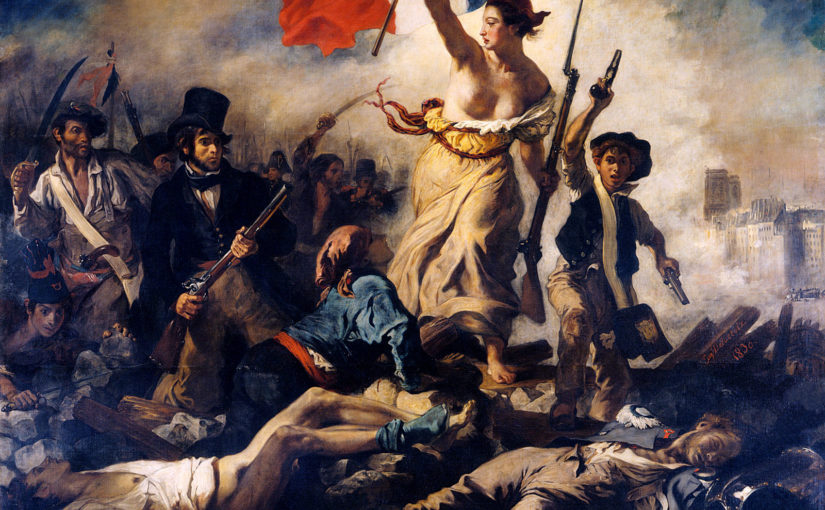
ARISE FREEMASONS, END YOUR SILENCE AND DEFEND FREEDOM !
Arise Freemasons ! Following the recent political decisions attributed to an infection but more alarmingly , ensuing the approval of an unethical scientific program that risks the health and independence of our children and of the human race, I am re- submitting for your attention the considerations of Nicola Brizzi. In a letter of last year, our Brother of the Order denounced the deafening silence of the Masonic Grand Lodges around the world and attempted to awaken the soul of the acquiescent Freemasons because…
Freedom, once relinquished, is seldom peacefully regained !
Somewhere in Italy, November 25, 2020
“As we reach the end of a year that has witnessed the supreme ideals of Freedom–to which every Freemason aspires – being challenged, a period during which the shadowy forces have triumphed over the Light, I call upon all the Freemasons on earth who still retain their sanity and intellectual integrity.
And I hope that these words of mine can become a source of inspiration and stimulation for all the true Initiates of the Art and be a serious admonition to all those false Freemasons who have betrayed their mission. There are far too many of those, and history will shortly pass its judgement on them.
Stand up, end your silence and defend our Freedom!
It is a general opinion that the Brothers and Sisters who grace the columns of a Lodge , have attained a minimal level of awareness, certainly one that is higher of that of the multitudes in the “profane” world.
It is a general opinion that besides knowing themselves better, those Brothers and Sisters are conscious of the reality that surrounds them, by which I mean they know there are individuals who pull the strings of politics, finance, culture and information.
It is a general opinion that our Brethren know how to recognise falsehoods or realise, even if only a little, who is behind particular situations or political decisions.
It is also a general opinion that the Brethren know the significance of symbols, that they can accurately interpret a political leader’s speech or a tabloid story (and notice the falsehood present in it). Otherwise why join Freemasonry instead of a cooking class, a gymn, or go fishing, hunting, bowling or indeed join a singer’s fan club ?
Nobody ordered them to become Freemasons, and most surely their doctor did not prescribe it! No one forced them to become an Initiate and thereby embark on a journey of inner search, masonically speaking.
The struggle against oneself , against one’s own limitations, against one’s own fears and vulnerability is aimed at turning oneself from a rough stone into an ashlar, and thus help in the construction of the True Temple.
Unfortunately, this is not so for many of our Brethren.
The great man and Freemason, Benjamin Franklin, said these enlightened words: «Whoever is ready to give away their basic freedoms to buy crumbs of momentary security, deserves neither freedom nor security». How can we not agree?
I recognize that there are many Brothers and Sisters in the world who are struggling to preserve the statutory rights of the people and save Democracy, but they are doing so all alone. Most of the Masonic National Grand Lodges, whether in Europe or in other regions of the world, have lost a unique opportunity to shine their light. By keeping silent they are losing integrity and credibility.
If those Masonic Orders truly wish to secure their future and reclaim their credibility, they must make a stand and condemn this global Golpe and denounce this design for a social and economic global reset. Or else they would better shut down their Temple forever.
In Freemasonry , Freedom is a fundamental value and its defence is imperative, it is a moral duty.
Thousands of Brethren have in the past sacrificed their own life to defend Freedom and the auto-determination of people. It is therefore highly disconcerting to see today a Freemason being attacked and criticised by other Brothers of the Order, solely for desiring to defend those values. Can’t you see how absurd this situation is?
Arise, end your silence and defend Freedom.
Those of you who will not, will be complicit in the enslavement and persecution of the human race. “
Nicola Brizzi – November 25, 2020
Source: www.Databaseitalia.it of Davide Donateo
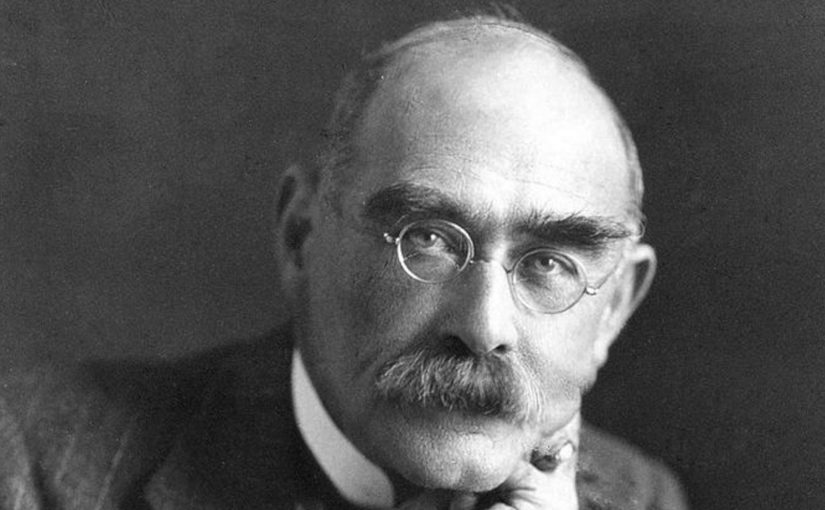
THE MOTHER LODGE – A poem by Rudyard Kipling
The poem celebrates the equality which reigns among Freemasons without distinction of profession, rank, race or creed and the first two stanzas clearly reflect the diversity of this particular Lodge, underscored by the refrain which contrasts the behaviour displayed in public with that shown inside the Lodge.
| There was Rundle, Station Master, And Beazeley of the Rail, And Hackman, Commissariat, And Donking of the Jail; And Blake, Conductor-Sergeant, Our Master twice was he, With him that kept the Europe-shop, Old Framjee Eduljee. Outside – ” Sergeant! Sir! Salute! Salaam! Inside – ‘Brother,” and it doesn’t do no harm. We met upon the Level and we parted on the Square, And I was junior Deacon in my Mother-Lodge out there! We had Bola Nath, Accountant, And Saul the Aden Jew, And Din Mohammed, draughtsman Of the Survey Office too; There was Babu Chuckerbutty, And Amir Singh the Sikh, And Castro from the fitting-sheds, The Roman Catholic! We hadn’t good regalia, And our Lodge was old and bare, But we knew the Ancient Landmarks, And we kept them to a hair; And looking on it backwards It often strikes me thus, There ain’t such things as infidels, Except, perhaps, it’s us. For monthly, after Labour, We would all sit down and smoke (We dared give no banquets, Lest a Brother’s caste were broke), And man on man got talking Religion and the rest, And every man comparing Of the God he knew the best. So man on man got talking, And not a Brother stirred Till morning waked the parrots And that damned brain-fever-bird. We would say it was highly curious, Ans we would all ride home to bed, With Mohammed, God, and Shiva Changing pickets in our head. Full oft on Guv’ment service This roving foot hath pressed, And bore fraternal greetings To the Lodges east and west, According as commanded. From Kohat to Singapore, But I wish that I might see them In my Mother-Lodge once more! I wish that I might see them, My Brethren black and brown, With the trichies smelling pleasant And the hog-darn passing down; And the old khansamah snoring On the bottle-khana floor, Like a Master in good standing With my Mother-Lodge once more. Outside – Sergeant! Sir! Salute! Salaam!’ Inside- Brother,” and it doesn’t do no harm. We met upon the Level and we parted on the Square, And I was Junior Deacon in my Mother-Lodge out there! |
Background

Rudyard Kipling was the author of the children's novels  The Jungle Book (1894) and Just So Stories (1902). His most successful novel was Kim (1901). He was initiated into the Lodge of Hope and Perseverance No  782 (founded in 1858 under the English Constitution) at the Masonic  Hall, the Jadughar (as described in Kim) in Anarkali, Lahore on 5  April 1886, at the age of twenty.  As this was the Lodge into which he  was initiated it became his Mother Lodge. A Freemason will always have a  particular attachment to the Lodge which saw him enter into  Freemasonry, even though he may cease to be a member of that particular  Lodge.

The poem was written some eight years later, when he was living in Vermont. Charles Carrington in his The Complete Barrack-room Ballads (p.166), reports that it was written in a single day, on October 29th 1894, while Conan Doyle was staying with the Kiplings. First published in the The Pall Mall Gazette and the Pall Mall Budget on May 9th 1895. In the Sussex Edition the poem is dated 1894.
SOURCE: The Kipling Society
The following exchange is from Kipling’s story The Man who would be King which was put on film in 1975 and interpreted by Michael Caine and Sean Connery. A Masonic introduction convinces Rudyard Kipling to assist Peachy, after first being reluctant to do so. Michael Caine and Chritopher Plummer in the classic movie ‘The Man Who Would Be King’.
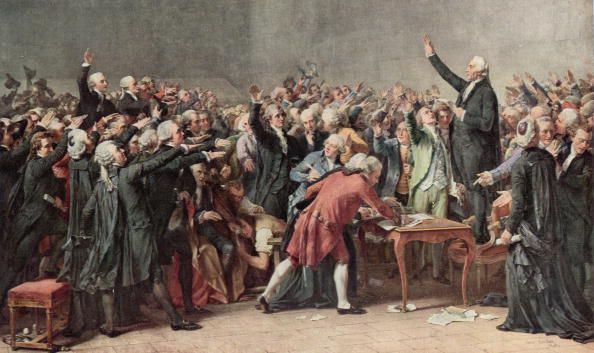
Freedom – when, what, why?
Freedom is the first value of the Masonic trinomial “Freedom, Equality, Brotherhood” – “Liberté, égalité, fraternité – and is the product of a number of rules. When the rules fail – for example, by the need to gain ever more freedom for both individuals and the masses – we slide towards Anarchy. And the Athenian philosopher Plato in his “Republic” states that from Anarchy the slide to Tyranny , or at the very least the partial loss of our liberty , is short and inevitable !
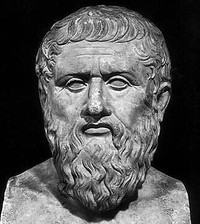
The logic however suggests that the sequence in the trinomial [1] , should read differently, because Freedom is the final consequence of the other two and needs supporting columns on which to rest. Without such columns, Freedom will implore as history has often demonstrated.
For Montesquieu [2] “Freedom” was “the right to do everything that is permitted by the Law” ; for Constant de Rebecque [3] , or simply Benjamin Constant, “Freedom is the right to do everything that man has the right to do and which Society cannot prevent“. With the spread of Covid19 in the western world/economies, Freedom has gained a new interpretation too restrictive, despotic to contemplate.
Continue reading Freedom – when, what, why?
IL EST MIDI – une poème Maçonnique
Il est midi, c’est l’heure où

les ouvriers,

Délaissant leurs métaux,

empoignant leurs outils,

Vêtus de leurs gants blancs

et de leur tablier,

Entament leurs travaux en loge

d’apprenti.

Dans un endroit couvert, du

haut de leurs trios ans,

Chacun sur sa colonne, et face

à l’orient,

Fait le signe de l’ordre et se fait

reconnaître,

Par le deux surveillants du

vénérable maître.

Ils ne savent encor ni lire ni

ecrire,

Seulement épeler mais ces

tailleurs de pierre

Ont en commun un but, auquel

Chacun aspire:

Trouver la vérité et chercher

la lumière.
(Lina Chelli)
GUARDING THE WEST GATE IN FREEMASONRY
The West Gate is a term many Masons may be unfamiliar with. I know here in Texas I had never heard of it until I began actively researching and collaborating with other Masons from various jurisdictions online. In the physical sense, the West Gate is the door through which candidates and brethren enter to receive their degrees. In a more conceptual sense, the West Gate is much broader in definition and encompasses the entire process of receiving petitions, investigations, and voting on accepting and advancing new members.
The latter definition is, at least in my mind, most applicable to the phrase “Guarding the West Gate” [1] and is what this post will be focusing on.
QUALITY v QUANTITY
When the printing press came into everyday use, books, which were once uncommon and valuable, became common and affordable for most people. The Industrial Revolution had very much the same effect in that it made items which once took time and craftsmanship to produce cheap and easily accessible.
This being said, this post is not written to complain about progress. Rather, in both examples given above, society moved from quality items which were once created by craftsmen towards faster production in favour of quantity. You see, you cannot have quality and quantity at the same time. Quality makes an object or an experience something marvelous and quantity makes an object or an experience something mundane. This marvelous vs. mundane argument could apply towards several facets of Freemasonry and probably deserves its own post in the future, but for now let’s apply it towards the West Gate.
FOUR QUARTERS OR ONE HUNDRED PENNIES ?
The application of quality versus quantity applies to Freemasonry very well, in my opinion. Remember that something which is marvelous and/or has high quality must, by its very nature, be scarce. This principle also means that as a product becomes more and more common the quantity will increase but it will become more and more mundane at the same time.
Unfortunately, this is what is happening in our fraternity. In many lodges the standards for who they are willing to accept have dropped severely and in some lodges the standards are non-existent outside of the bare minimum which has been set for their jurisdictions (in some jurisdictions even these minimum standards can be waived).
There’s a saying “If you don’t stand for something then you’ll fall for anything”. This could also be adapted to say “If a lodge has no standards they will accept anybody”, which is sadly often the case. The requirements a jurisdiction set for men to petition should not be looked at as though it is a pass or fail situation but instead should be regarded as minimum criteria to be considered for admission.
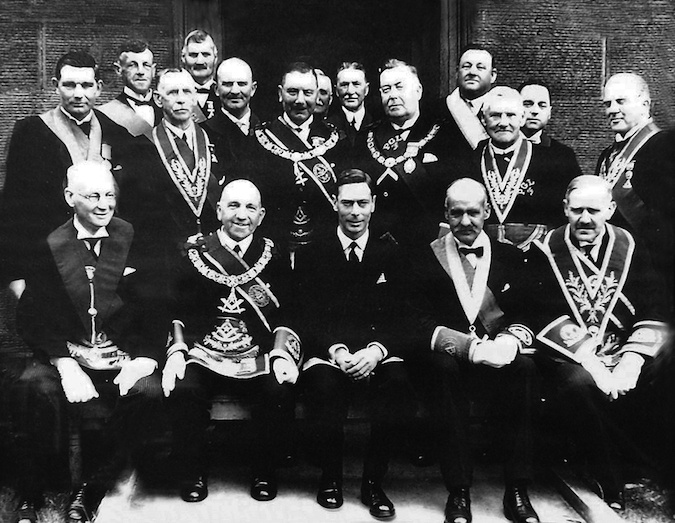
If you ever get the chance to talk with a real old-timer Freemason, ask him what it was like to join the Fraternity back in the day. Several decades ago it was much more difficult to become a Freemason. My own grandfather has told me that when he first joined in the 1950s the lodge he petitioned had an unspoken policy that every petitioner was turned down the first time they applied, the idea being that if someone truly wanted to be a member they would re-apply later. Other older brethren have told me they had to ask three times before they could even receive a petition. Certain professions, activities, and reputations could bar you without question. Yes, I know, these methods all seem extreme and possibly even cruel to us today, however they created scarcity which, in turn, made membership more desirable and generally increased the quality of the members as well.
This is a sharp contrast to the petitioning process for many lodges today. In fact, even though many lodges are allowing every man without a criminal record to join, most U.S. jurisdictions are losing members faster than they can be replaced. That being said, when membership was hard to obtain, men were always petitioning during a time that many of us today regard as the Golden Years of Freemasonry.
So the question is this: would you rather have four quarters in your pocket or a hundred pennies? Is a small and intimate lodge with a handful of quality brethren better than a large lodge with only a few active brothers and a hundred members on the roster who never show up and never dedicated themselves to the fraternity?
FINAL REMARKS
I am not an elitist and I don’t want to be regarded as such. I am, however, in favour of making it actually mean something to be a Freemason again. When membership was scarcest people knew that you were a quality person to be affiliated with the fraternity; now this isn’t always the case. In fact, if we’re being honest with ourselves we can probably think of at least one Freemason who has no business being in the Fraternity.
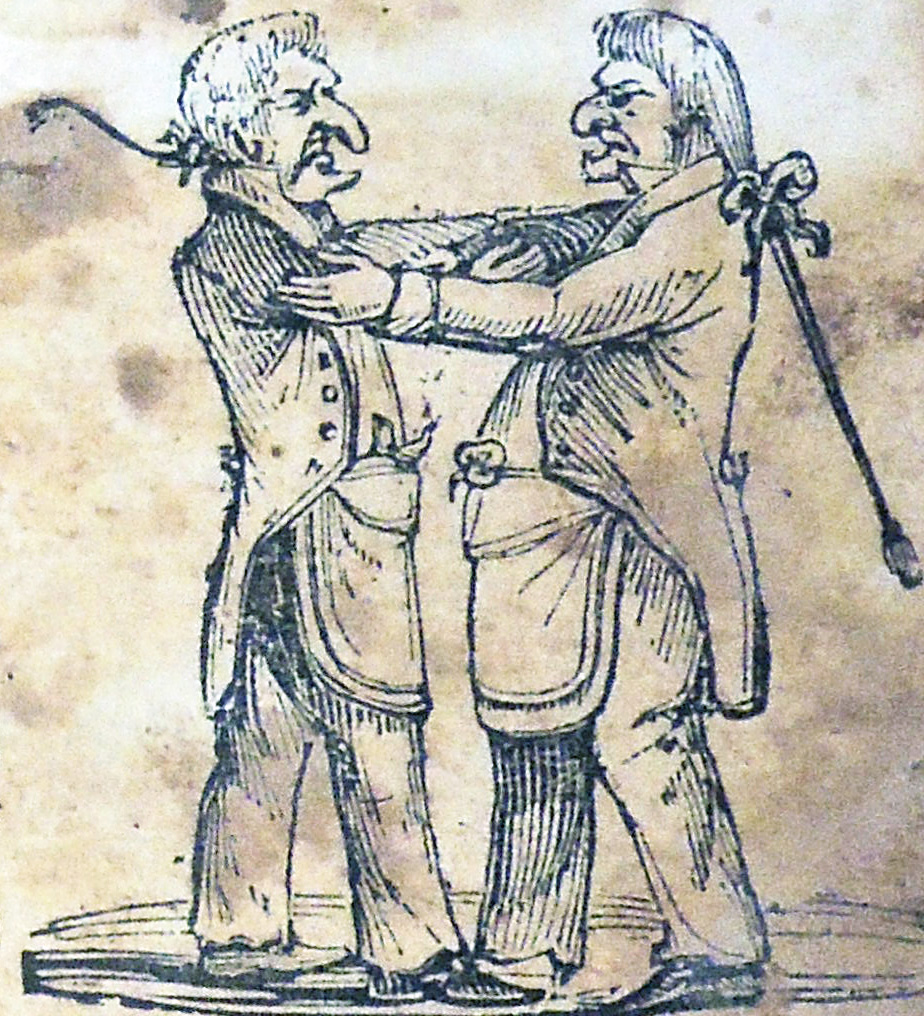
The purpose of this post is to encourage reflection towards the petition process your own lodge is practicing. What are your standards? How thorough is your investigation process? How many times is the petitioner expected to come, meet and eat with the brethren before he is given a petition? What are your degree fees?
We have a huge responsibility as stewards of our fraternity. Every unworthy man who slips through a wide-open West Gate into the Craft has the potential to eventually vote, assume an office, and even get involved at the Grand Lodge level. One such man is toxic enough; what if we allow hundreds to slip through?
Are you truly only accepting men who are Masonic material or is any and every man with a petition and degree fee in hand being accepted?
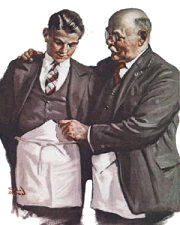
The future of the fraternity is in our hands, brethren !
Do we want it to be marvelous or mundane?
By Worshipful Brother Justin Jones – Source: http://cerrilloslodge.org/about-freemasonry/albert-mackeys-twenty-five-ancient-landmarks-of-freemasonry/
[1] In fact, the phrase “Guarding the West Gate” has been drafted from the Bible. In Christian literature, the Eastern gate of the Old City, or the “Golden Gate,” is the place at which the parents of Mary met after the Annunciation. As such, the site of the gate became a symbol of the virgin birth of Jesus. Similarly, West Gate is considered to be the Main Entrance of the God. To Guard Well the West Gate, in other words, means protection and safeguarding the Temples which are considered to be the holy residences of God.
THE ANCIENT MASONIC LANDMARKS
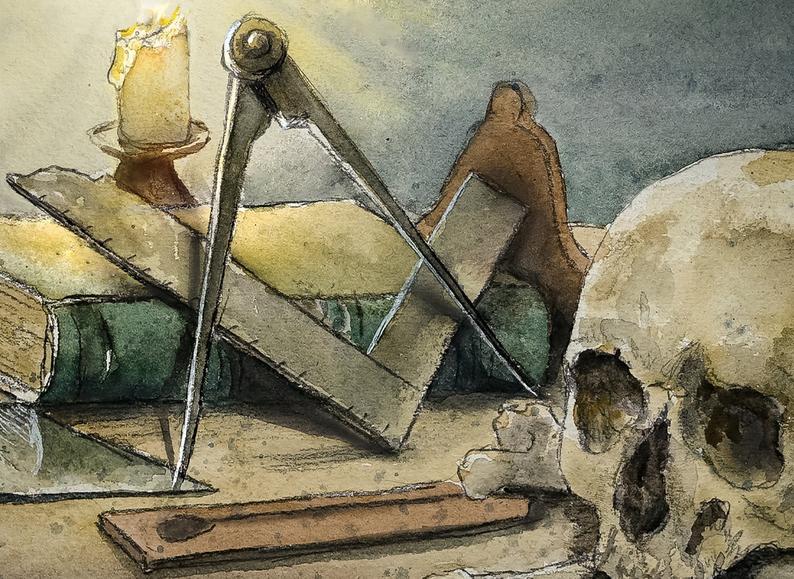
Dr. Albert Gallatin Mackey [1] was an American medical doctor and is best known for his books and articles about Freemasonry. In particularly in 1858 he set forth his Twenty-five Ancient Landmarks to establish a universally-recognized method by which Freemasons across the globe, could operate. Mackey’s Landmarks have been studied and debated, yet remain the standard by which Freemasons meet and work.
LANDMARK ONE
The modes of recognition are, of all the Landmarks, the most legitimate and unquestioned. They admit of no variation; and if ever they have suffered alteration or addition, the evil of such a violation of the ancient law has always made itself subsequently manifest. An admission of this is to be found in the proceedings of the Masonic Congress at Paris, where a proposition was presented to render these modes of recognition once more universal – a proposition which never would have been necessary, if the integrity of this important Landmark had been rigorously preserved.
LANDMARK TWO
The division of Symbolic Masonry into three Degrees is a Landmark that has been better preserved than almost any other, although even here the mischievous spirit of innovation hag left its traces, and by the disruption of its concluding portion from the Third Degree, a want of uniformity has been created in respect to the final teaching of the Master’s order, and the Royal Arch of England, Scotland, Ireland, and America, and the “high degrees” of France and Germany, are all made to differ in the mode in which they lead the neophyte to the great consummation of all symbolic masonry. In 1813, the Grand Lodge of England vindicated the ancient Landmark, by solemnly enacting that ancient craft Masonry consisted of the three degrees: Entered Apprentice, Fellow Craft, and Master Mason, including the Holy Royal Arch; but the disruption has never been healed, and the Landmark, although acknowledged in its integrity by all, still continues to be violated.
LANDMARK THREE
The Legend of the Third Degree is an important Landmark, the integrity of which has been well preserved. There is no rite of Masonry, practiced in any country or language, in which the essential elements of this legend are not taught. The lectures may vary, and indeed are constantly changing, but the legend has ever remained substantially the same; and it is necessary that it should be so, for the legend of the Temple Builder constitutes the very essence and identity of Masonry; any rite which should exclude it, or materially alter it, would at once, by that exclusion or alteration, cease to be a Masonic rite.
Continue reading THE ANCIENT MASONIC LANDMARKS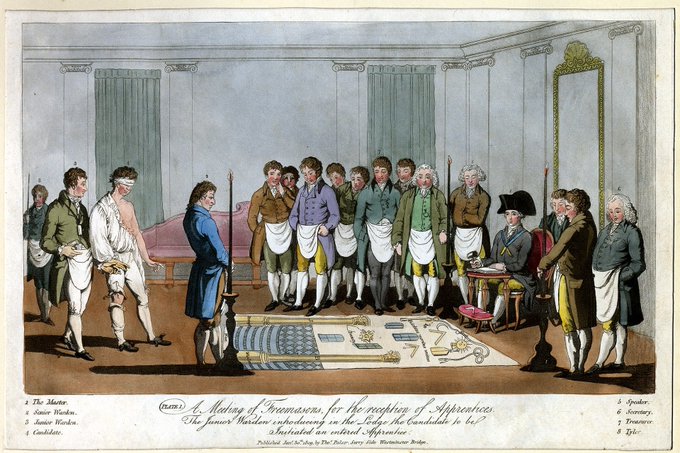
THE DUTIES OF A FREEMASON – I DOVERI DEL FRATELLO MASSONE
Click here if you want to read the paper in Italian.
More and more thoughtful Brethren have a serious dissatisfaction with the state of the Craft in (X).  At the core of their concerns is the heartfelt lament that Masonry in (X) has effectively degenerated into a social and dining club, meeting upon  the excuse of initiating yet another candidate into a society whose only apparent purpose is to carry out initiations , whilst seeking to justify its existence through the business of institutional charity.

Freemasonry  hierarchy (in X) classically maintains discipline through the assiduous manufacture of 'honours' whilst ignorantly sacrificing ancient form and spiritual value in deferential respect to transparent political correctness.

(...) THIS -  whatever it is and however socially valuable it may be in some respects - IS NOT Freemasonry.

(The Lodge has become) an initiation sausage-machine (but) if Freemasonry means anything,  it means the making of the whole man, from rough to ashlar to polished stone. It indicates a psychological and spiritual journey through an esoteric interpretation of our rich symbology.  English Freemasons who wish to pursue such studies in a working setting, have for far too long been effectively deprived.

(*)
Some of you may think that these are harsh words. But although the statement was issued around 2012, it still reflect the current situation in some part of Freemasonry.
What follows are the duties (**) that must be adhered to by anyone who wants to become a Freemason. They relate to the behaviour in society, in the family and in the Lodge.
The spiritual aspects of the Art are also mentioned for your instruction.
The personal duties of the Freemason
Continue reading THE DUTIES OF A FREEMASON – I DOVERI DEL FRATELLO MASSONE
I doveri del Fratello Massone
Clicca qui per la versione Inglese dell’articolo
Sono sempre di piu’ i Fratelli che si sentono  seriamente insoddisfatti dello stato della Massoneria in Inghilterra.

Al centro delle loro preoccupazioni  c’e’ il sincero lamento che la Massoneria in Inghilterra e’ in effetti degenerata  in a una societa’ di svago e ristorazione, che si riunisce  con la scusa di iniziare un altro candidato in una societa’ il cui apparente scopo e’ quello di portare avanti le iniziazioni, giustificando  allo stesso tempo la propria esistenza attraverso le attivita’ caritatevoli. La gerarchia della Massoneria in Inghilterra mantiene  la disciplina attraverso l’assidua fabbricazione di onoreficienze, sacrificando per ignoranza  l’antica Arte ed i suoi valori spirituali,  in deferenza verso una  politica di trasparenza.

La Loggia e' diventata una macchina per la iniziazione di nuovi candidati.   (…) Ma quantunque  socialmente valido tutto quanto detto possa  ,sotto certi aspetti, dimostrare d’essere … non e’Massoneria !

Il compito della Massoneria e’ quello di trasformare l’uomo attraverso un un viaggio psicologico e spirituale  ed una interpretazione esoterica della nostra ricca simbologia, cosi’ come si trasforma una pietra rozza in una pietra perfettamente levigata.

Aime’, i Massoni Inglesi che desiderano seguire tali studi,continuano a  venirne a lungo privati.
Parole dure, e’ vero, ma che furono fatte intorno all’ anno 2012 e che tuttavia ancor’oggi riflettono la situazione in buona parte della Massoneria.
Quanto segue, sono i doveri che devono venire osservati da chiunque voglia divenire un Fratello Massone. Essi riguardano il comportamento nella societa’, nella famiglia e nella Loggia. Gli aspetti spirituali dell’Arte sono altresi’ menzionati.
Doveri personali del Massone

Il fratello Massone deve saper usare le proprie virtu', evitando qualsiasi forma di intemperanza e di eccessi che gli impedirebbero l'adempimento dei lodevoli doveri dell'Arte. Egli deve essere diligente nella sua professione e fedele al Maestro che serve. Nelle ore di ozio egli si dedica allo studio delle arti e delle scienze affinche' sia meglio preparato ai suoi doveri verso Dio, la Patria, il prossimo e se stesso.  Egli deve, per quanto e' possibile, acquistare uno spirito di pazienza, mansuetudine, sacrificio ed abnegazione per saper dominare  se stesso e guidare la propria famiglia con affetto, dignita' e prudenza. Egli deve saper reprimere ogni disposizione nociva ai suoi simili  cercando di promuovere fra essi quell'amore e quella cooperazione che sentono  i membri di una stessa famiglia. Egli deve possedere una  buona reputazione, deve imparare ad obbedire  a coloro che gli sono al di sopra per quanto possano sembrargli inferiori per rango e condizioni sociali; poiche' pur non avendo la Massoneria  privato nessuno dei suoi titoli e dei suoi onori, nelle logge, l'eccellenza delle virtu' e la conoscenza dell'Arte diventano una vera sorgente di nobilta', di comando, di governo.
Doveri civili del Massone

Il Massone e'cittadino pacifico; egli non deve mai prendere parte a complotti e cospirazioni contro la pace e il benessere della Patria, ne' deve agire indoverosamente verso le Autorita'. Egli deve coltivare la concordia e vivere in armonia ed amore fraterno.
Doveri sociali del Massone

I Massoni debbono essere uomini morali: buoni mariti, buoni figli e buoni vicini. Debbono evitare qualsiasi eccesso che possa recare danno a loro stessi ed alle loro famiglie; debbono saggiamente condurre gli affari che concernono le loro famiglie e le loro Logge, per i motivi che essi ben conoscono.
Doveri fraterni del Massone

I Liberi Muratori hanno sempre avuto l'obbligo di rifuggire dal calunniare un vero e leale fratello, dal nutrire sentimenti ingiusti e maligni, dal criticare un fratello od i suoi atti. Non devono mai permettere che si divulghino ingiusti biasimi e calunnie contro un fratello assente, ne' permettere che l'occupazione o i beni, nonche' il carattere di costui siano danneggiati, ma essi dovranno difenderlo, renderlo edotto di quasiasi pericolo o danno lo minacci ed aiutarlo a sfuggirgli, per quanto lo permetteranno l'onore, la prudenza e la salvezza della religione, della moralita' e dello Stato; ma non debbono andare oltre.
Aspetto spirituale della Massoneria

La Massoneria e' un centro d'unione  atta a conseguire una sincera amicizia fra gli uomini che, al di fuori di essa, sarebbero restati costantemente separati gli uni dagli altri. Essa rappresenta la sintesi di tutte quelle verita' indicate e perseguite dagli illuminati di tutti i tempi. Sono stati i sapienti di tutte le epoche che ad essa hanno portato il contributo del loro sapere(...).  Infatti, la Massoneria mentre dichiara di conoscere, quale base dei propri lavori, un principio superiore ed ideale, lo designa con la denominazione di Grande Architetto dell'Universo e non raccomanda ne' combatte alcuna convinzione religiosa ne' pone limiti di sorta con affermazioni dogmatiche e lascia la piu' completa liberta' nelle investigazioni del Vero.   Il mezzo per procedere a queste investigazioni e' lo stesso che ha permesso ai Saggi delle varie epoche di raggiungere risultati grandiosi: la ragione.
Le Virtu' massoniche Citando le parole di Goblet d'Alviella: "Le virtu' massoniche consistono nella solidarieta', nella tolleranza,nell'uguaglianza".La solidarieta' massonica comprende: soccorsi ai fratelli infelici e pratica generale della filantropia; contribuzione in Logge all'istruzione e all'accettazione dei Fratelli (scambio delle conoscenze acquisite, conferenze, discussioni civili ed artistiche). Concorso individuale prestato nel mondo profano nei limiti della giustizia e senza pregiudizio dell'indipendenza di ciascuno nell'apprezzamento dei suoi doveri e degli interessi propri. La tolleranza e' accettare ed incoraggiare anche l'espressione di opinioni che non si condividono affatto; procacciare cio' che unisce a preferenza di cio' che divide. Rispettare la liberta' di ogni membro in materia filosofica, politica e religiosa, non criticare affatto gli atti della sua vita privata, fin tanto che questi atti non intacchino l'onore. L'uguaglianza prescrive di dimenticare in Loggia le distinzioni profane e proibisce di prendere partito, in Loggia, fra le opinioni dei suoi membri. (...)La Massoneria si sforza percio' di emancipare gli spiriti e di eliminare ogni distinzione di credenza, di razza, di nazionalita', fortuna, discendenza e posizione sociale. Il raggiungimento della perfezione massonica e' conseguito solo dopo una integrale trasformazione spirituale che comporta l'abbandono della personalita' individuale.
Il segreto massonico ovvero la riservatezza

La riservatezza deve essere mantenuta poiche' essa permette la riuscita dei compiti prefissi.  La disciplina della riservatezza e' necessaria perche' ,in quanto Massone, l'iniziato non si appartiene piu'.  Riservati devono restare pure i particolari Riti praticati nei Templi, di cui al difuori non si deve assolutamente parlare poiche' potrebbero essere commentati stupidamente; ed e' doveroso evitare che "le perle siano gettate ai porci". Viviamo in un mondo di persone poco benevoli nei nostri confronti e pronte ad avvalersi della minima indiscrezione per attaccarci, travisandone le finalita'.  La Massoneria non e' una setta segreta, ma bensi' una fratellanza che detiene un segreto, quello cioe' di pervenire razionalmente, e percio' solidamente, al perfezionamento del singolo e per esso alla collettivita'.  Il suo sistema razionale, sorretto dal un'etica  non soltanto teorica ma effettivamente praticata, la fa apparire alla Chiesa cattolica quale una temibile rivale, che era piu' spicciativo colpire con le armi.  In un'onesta Religione e , quando sussista, in un'onesta Chiesa la Massoneria non puo' che esser vista come un'alleata; naturalmente non puo' accettare i dogmi che il raziocinio rifiuta, perche' essa intende pervenire  alla conoscenza per processo logico  e naturale, per processo interiore di maturazione che esclude imitazione pedissequa, affettazione et similia.  Si tratta, come si vede, del piu' nobile attributo commessoci dal Grande Artefice, ovvero quello di pensare e di migliorarci, altro che far cosa temibile.  D'altra parte la Massoneria e' fiorente in tutti i Paesi veramente liberi e quel governo che dimostrasse di considerare la Massoneria temibile, dimostrerebbe delle due l'una: o di aver bisogno di sottrarsi al giudizio delle libere ed oneste coscienze, oppure di essere asservito alla sola Chiesa che per ragioni di opportunita' intende mantenersi oscurantista.  Convinti del trasformarsi continuo di tutte le cose, della loro natura infinita ed eterna, riflessa nei fenomeni del Cosmo materiale e morale, noi aborriamo qualunque dottrinarismo nel quale un orizzonte di verita' ,compresa od intravveduta, diventi un limite prefissato e quindi, un ostacolo alle nuove intuizioni del pensiero.
Spero che tutto quanto detto vi faccia riflettere e meditare e che io sia riuscito a infondere l’amore per l’Arte.
Articolo del Maestro Venerabile della R. L. Risorgimento all'Oriente di Taormina, Obbedienza del SOMI (Sovrano Ordine Massonico Italiano) - Pubblicato in: Serenamente , No. 99 del 5 Luglio 2010.
(*) Il testo appare sul sito dell'Ordine degli Antichi e Accettati Massoni  sotto la giurisdizione della "Gran Loggia Regolare d'Inghilterra".  Ho condotto delle leggere modifiche ma il messaggio rimane chiaro ed e' tale che credo molti Fratelli Massoni condividono ma non appoggiano apertamente.
(**) Citazioni prese dallo Statuto della Serenissima Gran Loggia del Sud – Massoneria Universale di R.S.A.A. – Discendenza Piazza del Gesù, e dalle antiche Tradizioni.